- News
- UK
- UK Politics
Less than a week after her controversial Budget, Rachel Reeves has been warned that tax hikes and spending cuts will pile pressure on the UK economy in next two years
David MaddoxPolitical EditorTuesday 02 December 2025 10:00 GMTComments
 CloseStarmer denies misleading Cabinet and the public over state of Britain's public finances
Sign up to our free Brexit newsletter for our analysis of the continuing impact of Brexit on the UK
Sign up to our free newsletter for the latest analysis on Brexit's impact
Sign up to our free newsletter for the latest analysis on Brexit's impact
Email*SIGN UPI would like to be emailed about offers, events and updates from The Independent. Read our Privacy notice
Labour’s anti-migration policies are contributing to the UK’s sluggish economic growth, the world’s foremost economic forecaster has warned, in a fresh blow for chancellor Rachel Reeves.
The stark warning from the Organisation for Economic Co-operation and Development (OECD) said that a slowing in productivity, partly due to a drop in the number of workers coming to the UK, meant “momentum is softening” in the economy.
It comes as the OECD said inflation in Britain will be the highest of all the G7 advanced economies this year, at 3.5 per cent, and the second highest next year, behind only the United States.
In its annual economic outlook report, it said growth would slow to just 1.2 per cent next year, down from 1.4 per cent in 2025, and would only increase by 0.1 per cent to 1.3 per cent in 2027.
It also warned that the unemployment rate is expected to hit 5 per cent by 2027, while inflation is expected to be above the 2 per cent target at 2.5 per cent next year, easing to 2.1 per cent in 2027.
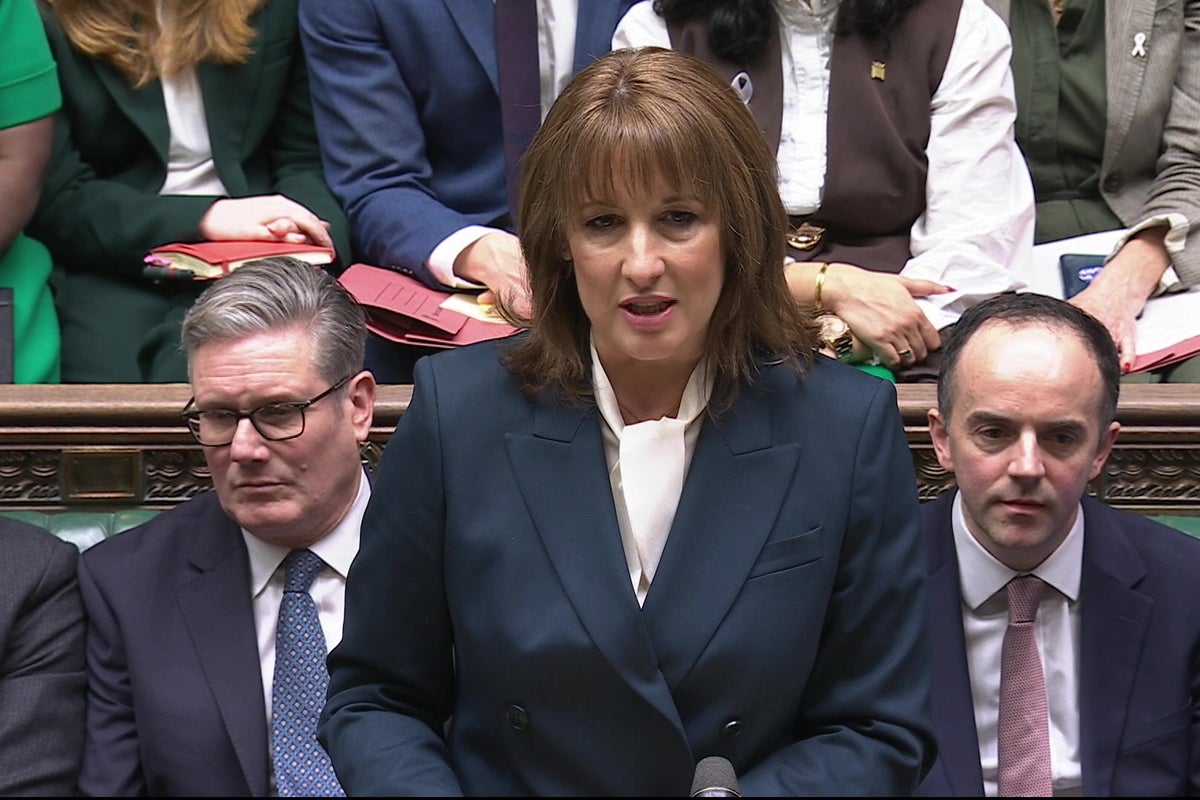
 open image in galleryChancellor Rachel Reeves poses outside 11 Downing Street, London, with her ministerial red box before delivering her Budget in the House of Commons (Frank Augstein/PA) (PA Wire)
Summing up, the OECD claimed the UK is suffering because of “past tax and spending adjustments weighing on household disposable income and slowing consumption”.
It added that “sluggish labour productivity and weak working-age population growth, partly due to slowing inward migration, will continue to act as a drag on the economy.”
The poor economic data has been partly blamed on measures brought in by Ms Reeves, along with international factors, after a period where she has attempted to blame the previous Tory governments.
It comes at a difficult time for the chancellor, who has been accused of lying about key data ahead of the Budget this year to justify raising taxes, leading to calls for her to be sacked.
The stagnant growth next year, according to the OECD, is “due to the continued effect of budgetary tightening on consumption and to the drag from global uncertainty”.
While the tiny improvement in 2027 of 0.1 per cent is “supported by business investment and exports as financial conditions and global trade improve”.
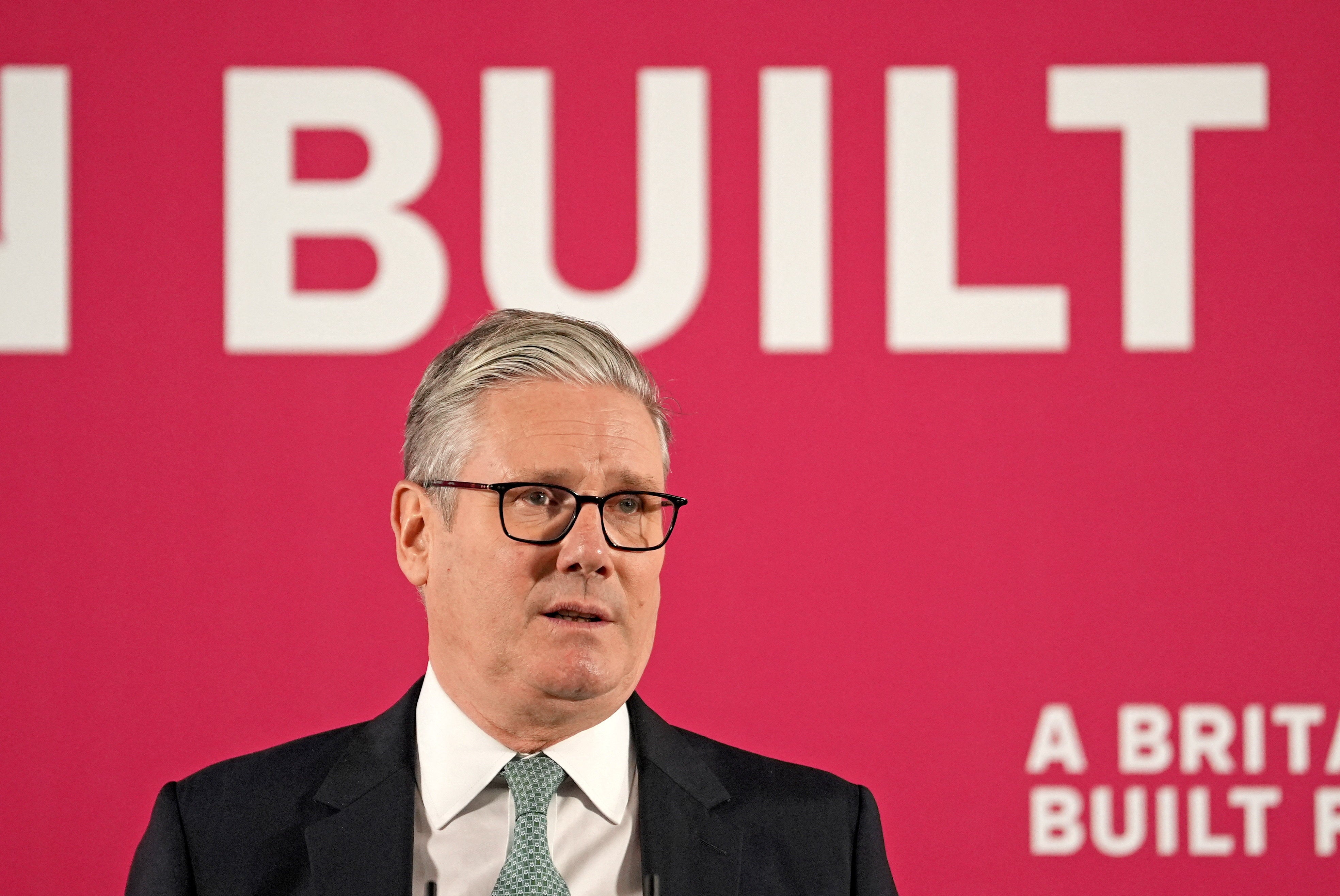 open image in galleryStarmer said he was proud of the Budget (via REUTERS)
The OECD also suggested that Ms Reeves’ room for manoeuvre will be limited because “fiscal policy will remain restrictive given high government borrowing costs”.
After the Office for Budget Responsibility, the UK’s main economic watchdog, last week warned that none of Ms Reeves’ measures would deliver economic growth, the OECD warned: “Tax and spending measures should also aim to further support growth potential, complementing ongoing structural reforms such as the overhaul of infrastructure planning The OECD findings on unemployment follow criticism by businesses of Ms Reeves’ hike in national insurance contributions for employers was playing a part in reducing the number of vacancies.
It warned: “The labour market is cooling, with the number of payrolled employees falling by about 0.4 per cent in the year to September, and the number of vacancies declining by almost 14 per cent over the same period.”
However, the OECD noted: “The recent rise in payroll taxes and in the minimum wage has slowed labour cost disinflation. Annual pay growth in the private sector reached 4.4 per cent in the three months to September, even though pay settlements have declined more rapidly.”
Reflecting on how Trump tariffs are still hurting the UK, the report stated: “Survey measures of new manufacturing export orders are weak.
“This reflects the 7 per cent point increase in the aggregate effective tariff rate faced by domestic goods exporters in US markets since the beginning of the year, despite the recent bilateral trade agreement. By contrast, services trade has continued to grow steadily.”
Reacting to the report, Ms Reeves defended the changes she brought in her Budget to healthcare and child poverty after she had abandoned economic growth as her “number 1 mission”.
She said: “Last week, my Budget cut waiting lists, cut borrowing and debt, and cut the cost of living. Less than a week later, the OECD has upgraded our growth and cut its forecast for inflation next year.
“The choices that I made at the Budget are expected to cut inflation by 0.4 percentage points, helping cut the cost of living for households and costs for our businesses. Alongside our plans to deliver growth, by investing in this country’s infrastructure, attracting major private investment, and pushing through bold planning reforms, we’ll deliver on our number one mission to put more money in people’s pockets."
More about
Rachel ReevesgrowthChancellorLabourOecdJoin our commenting forum
Join thought-provoking conversations, follow other Independent readers and see their replies
Comments