 By Hugh CameronShareNewsweek is a Trust Project member
Stubborn house prices and elevated mortgage rates continued to weigh on prospective homebuyers in the third quarter of 2025.
According to a recent report from Oxford Economics, despite some moderation in recent quarters, housing affordability in the U.S. remains "considerably worse than five years ago." The researchers found that the median household income needed to afford a single-family home now stands at $110,100, down 2.3 percent from its peak in the first quarter, but almost double the $58,400 required in same quarter of 2020.
Why It Matters
Chronic supply shortages and homeowners "locking in" during the low-mortgage pandemic era, among several other factors, have contributed to high house prices in recent years, an element of the wider affordability issues—to some a crisis—sweeping the U.S. in 2025.
This mix of high prices and wider fiscal pressures has dampened buyer demand, leading to difficulty for sellers, many of whom are now pulling their listings out of frustration or an inability to meet tighter buyer budgets.
What To Know
According to Oxford Economics, 38 percent of U.S. households have the necessary income to afford a home, down from 57 percent in the third quarter of 2020 and in-keeping with the 36 percent increase in median prices to $417,100 over this period.
The report found that the least affordable metros were those where the cost of living already exceeded the national average, led by San Jose, San Francisco, Honolulu, Los Angeles and San Diego. Across these areas, a maximum of 17 percent of households earned enough to afford their respective housing costs in the third quarter, compared to between one-fifth and one-third five years ago.
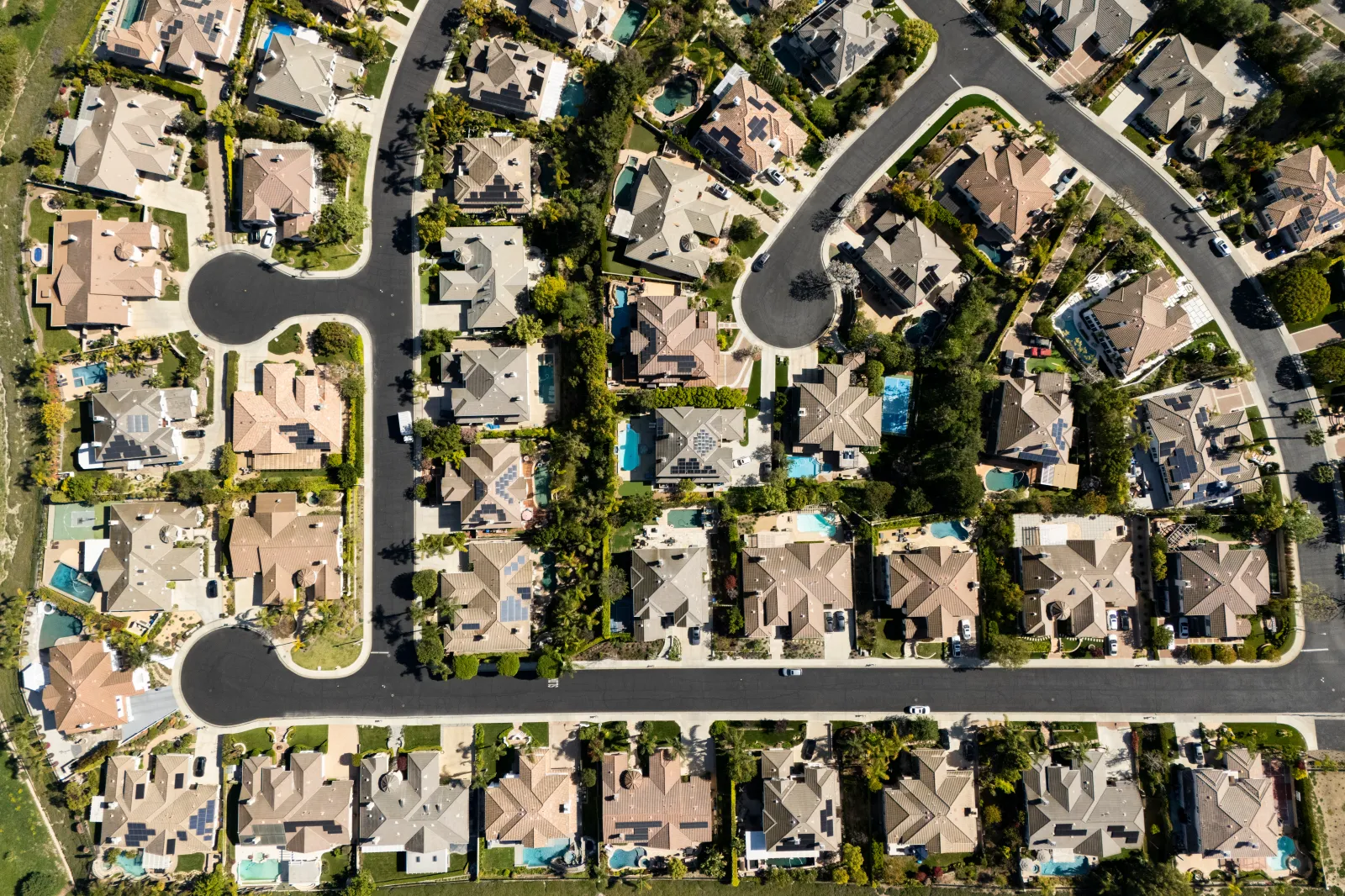 ...
...These challenges were highlighted in a recent report from the National Association of Realtors, which found that the share of first-time buyers had fallen to a historic low of 21 percent, while the average age of first-time buyers had risen to a record high of 40 years old.
However, beyond higher house prices, Oxford Economics said mortgage rates were proving a more significant factor in the housing affordability crisis.
"Mortgage rates have had a disproportionately greater impact on the decline in affordability than the increase in house prices in most cases," researchers wrote. "Not only have higher mortgage rates nearly doubled monthly housing costs, but because of mortgage payment schedules, interest costs have also crowded out principal payments more so in the early years of a mortgage."
Goldman Sachs, in a recent study, similarly attributed the growing divergence between prices and incomes to mortgage rates, noting that the average monthly mortgage payment as a share of income had risen from under 20 percent before the pandemic to a "historically high ratio of over 30 percent since 2022."
The bank blamed this on a "prolonged slowdown in U.S. housing supply," fueled in part by "restrictive land use regulations."
Addressing a national shortfall of about 1.5 million homes is central to easing costs for homebuyers, according to the National Association of Home Builders, which early this year published an updated 10-point blueprint to address the U.S.'s "housing affordability crisis." Among its recommendations were eliminating "excessive regulations," undoing "inefficient local zoning rules" and boosting production of critical materials to ease building costs.
What People Are Saying
Goldman Sachs researchers wrote in a recent report: "A sharp and prolonged slowdown in the growth of housing supply following the 2007-09 Great Recession has weighed on affordability. The share of total housing stock available for sale or rental is now below its historical average, which implies a gap between supply and demand."
Redfin senior economist Asad Khan wrote in a recent report: "Many homeowners who bought during the pandemic demand frenzy still expect sky-high prices. They remember a seller's market, so they're hesitant to yield to buyers who want to negotiate the price down and/or ask for concessions."
What Happens Next
According to Oxford Economics, mortgage rates are expected to fall to 6.0 percent by 2028, easing some of the affordability pressures currently placed on buyers, though it forecasts that "house price growth will also decelerate but largely remain positive."
The report continued, "However, property taxes and especially insurance costs will continue to increase over the next few years, offsetting the lower mortgage rates somewhat."
Request Reprint & LicensingSubmit CorrectionView Editorial & AI Guidelines Add Newsweek as a preferred source on Google to see more of our trusted coverage when you search.
Recommended For You
 U.S.Black Friday Spending Raises Eyebrows Over US Economy5 min read
 NewsStrange Chernobyl Black Fungus May Eat Radiation4 min read
 U.S.Blue-Collar Jobs Are Collapsing Under Trump4 min read
 NewsDoes Cannabis Actually Have Medical Benefits?8 min read
 PoliticsTrump ‘Wouldn’t Have Wanted’ Second Strike on Venezuela Boat4 min read
 PoliticsKristi Noem Says National Guard Shooter Was ‘Radicalized’ in the US5 min read
Related Podcasts
Top Stories
 Live BlogRussia-Ukraine Live—Putin Claims Pokrovsk Fell, Trump Envoy Due at Kremlin2 min read
 WorldWho is Admiral Frank Bradley? Commander In Spotlight Over Venezuela Strike4 min read
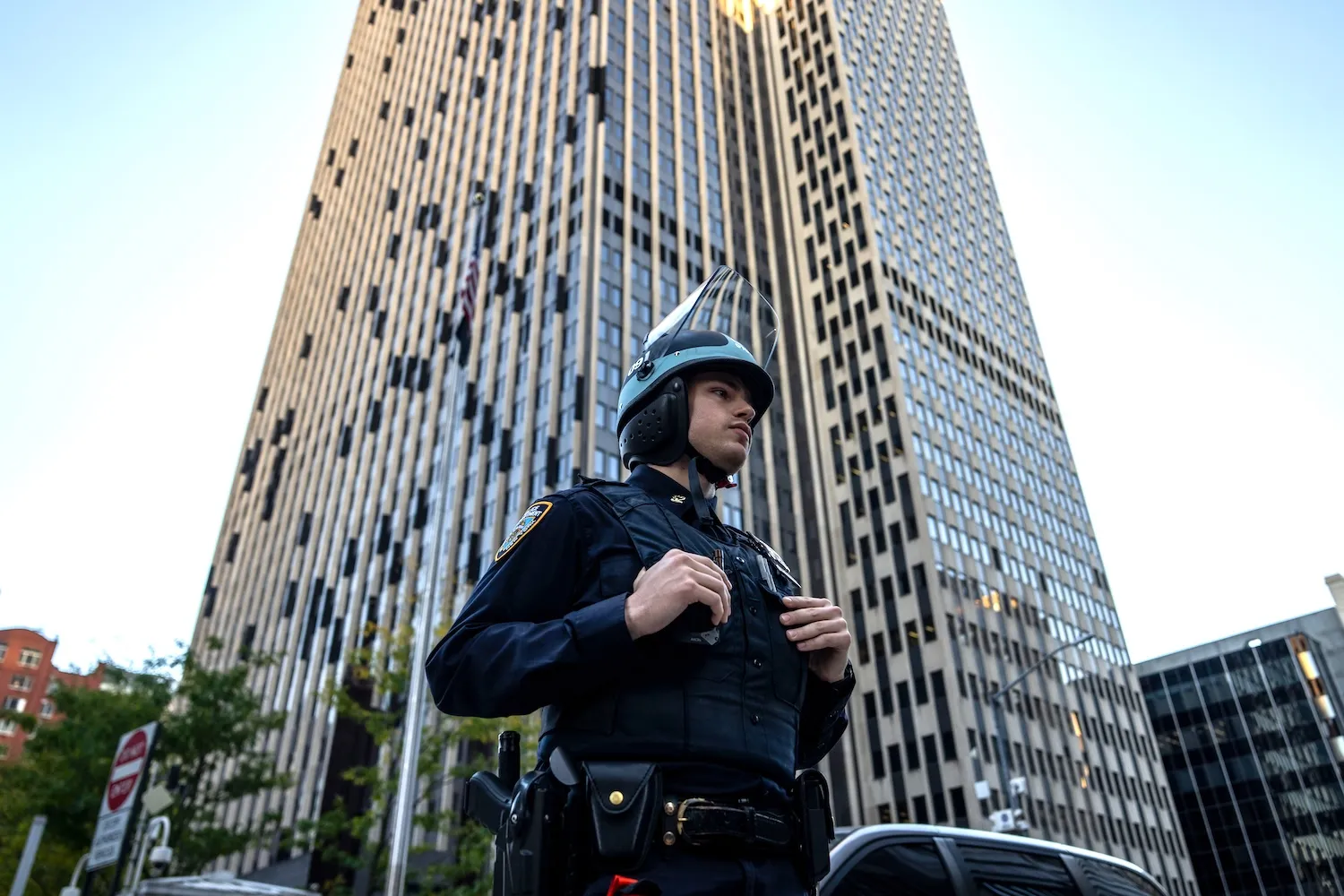 ImmigrationEight Immigration Judges Fired in Latest Trump Admin Move: Report5 min read
 NewsWhite House Reveals New Details on Donald Trump’s MRI5 min read
 NewsUS Mulls ‘Full Travel Ban’: List of Countries Which Could Be Added5 min read
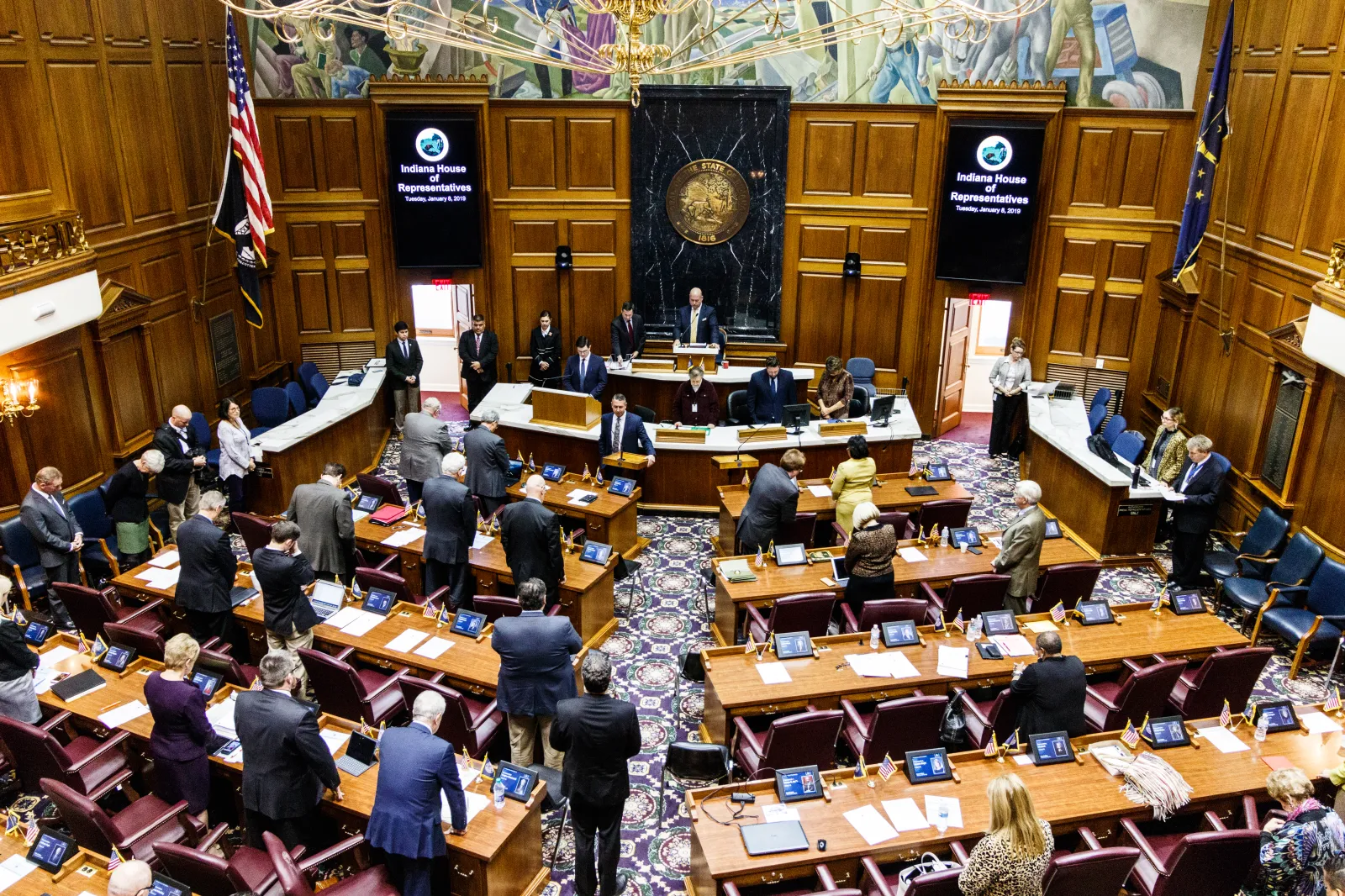 NewsIndiana Republican Says He Received Bomb Threats After Breaking With Trump4 min read
Trending
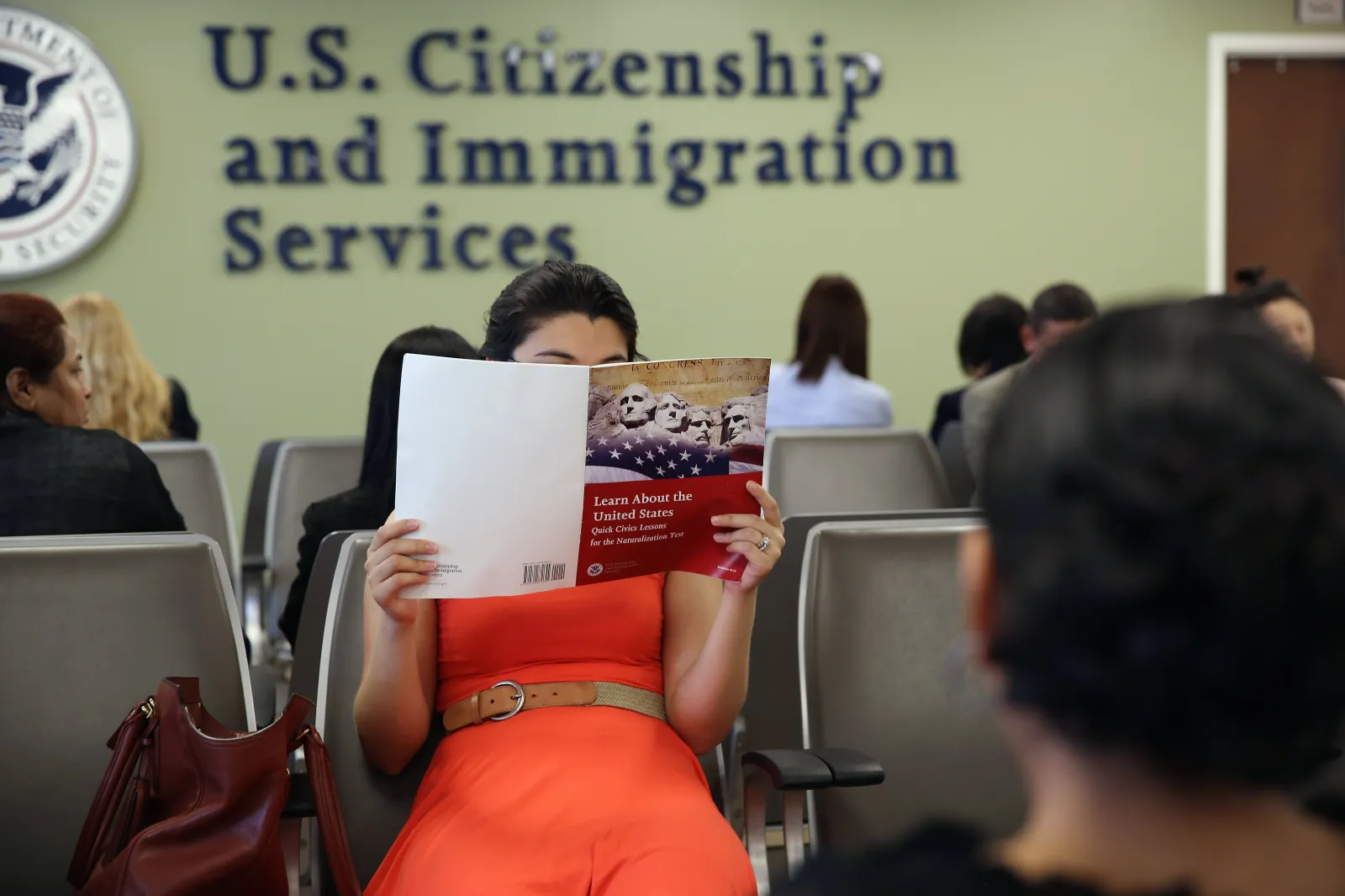 ImmigrationGreen Card Update: New Changes for Holders in December6 min read
 WeatherList of Schools Closed Tuesday as Snowstorm Hits4 min read
 ViralCat Arrives at Vet for Neuter, Staff Not Ready for What’s in the Carrier3 min readBlack FridayBlack Friday Spending Raises Eyebrows Over US Economy8 min read
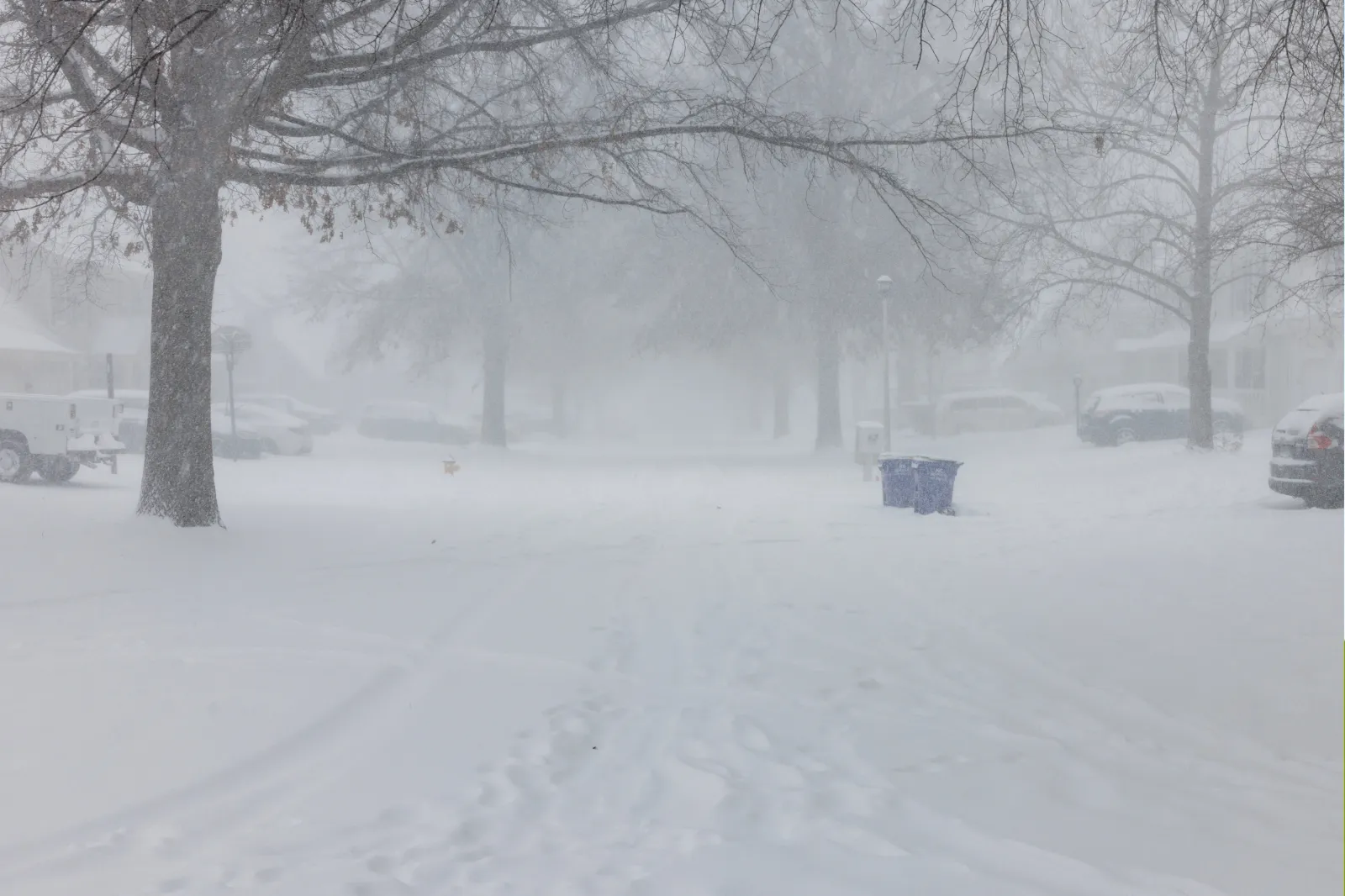 NWSWinter Storm Warning as 8 Inches of Snow to Hit North and Midwest3 min read
Opinion
 OpinionConventional Wisdom: Pope Visits Turkey and Lebanon Edition3 min read
 OpinionForeign Energy Companies Have No Home in Our Forests | Opinion4 min read
 OpinionThe Hemp Ban Shows America Still Works | Opinion4 min read
 OpinionConventional Wisdom: The Somali Minnesota Welfare Fraud Edition4 min read
 OpinionRedefining Professional Degrees Will Hurt Everyday Americans | Opinion5 min read