- Lifestyle
- Health & Families
Your late-night cheat meal just got a lot healthier
Julia Mustoin New YorkTuesday 02 December 2025 17:09 GMTComments
 CloseClassic 3-Cheese Mac And Cheese Recipe
Sign up to our free Living Well email for advice on living a happier, healthier and longer life
Live your life healthier and happier with our free weekly Living Well newsletter
Live your life healthier and happier with our free weekly Living Well newsletter
Email*SIGN UPI would like to be emailed about offers, events and updates from The Independent. Read our Privacy notice
Cheese lovers will be happy to know they’re actively working to protect their tooth health every time they scarf down a slice of their favorite snack.
The benefits extend from brie to camembert, although not all cheeses are made equal.
Aged cheeses and other natural cheeses are rich in the essential mineral calcium, which strengthens tooth enamel - the protective outer layer of the teeth.
“Processed cheeses, such as American cheese or cheese dips, often contain added sugars and preservatives that can be harmful to your teeth,” Minnesota’s Summit Dental Care warns.
Instead, dentists recommend patients opt for cheddar, Swiss or Monterey jack if they are looking for a unique way to strengthen their teeth. These cheeses also provide phosphorus, which works with calcium to form enamel and help replace minerals your teeth might have lost due to other foods.
“If you are seeking a tooth friendly cheese, choose Monterey jack and cheddar cheeses or a soft-ripened variety, such as brie or camembert,” Idaho’s Summit Dental Smiles advises. “A blue cheese, such as Roquefort or gorgonzola, is also good for the teeth.”
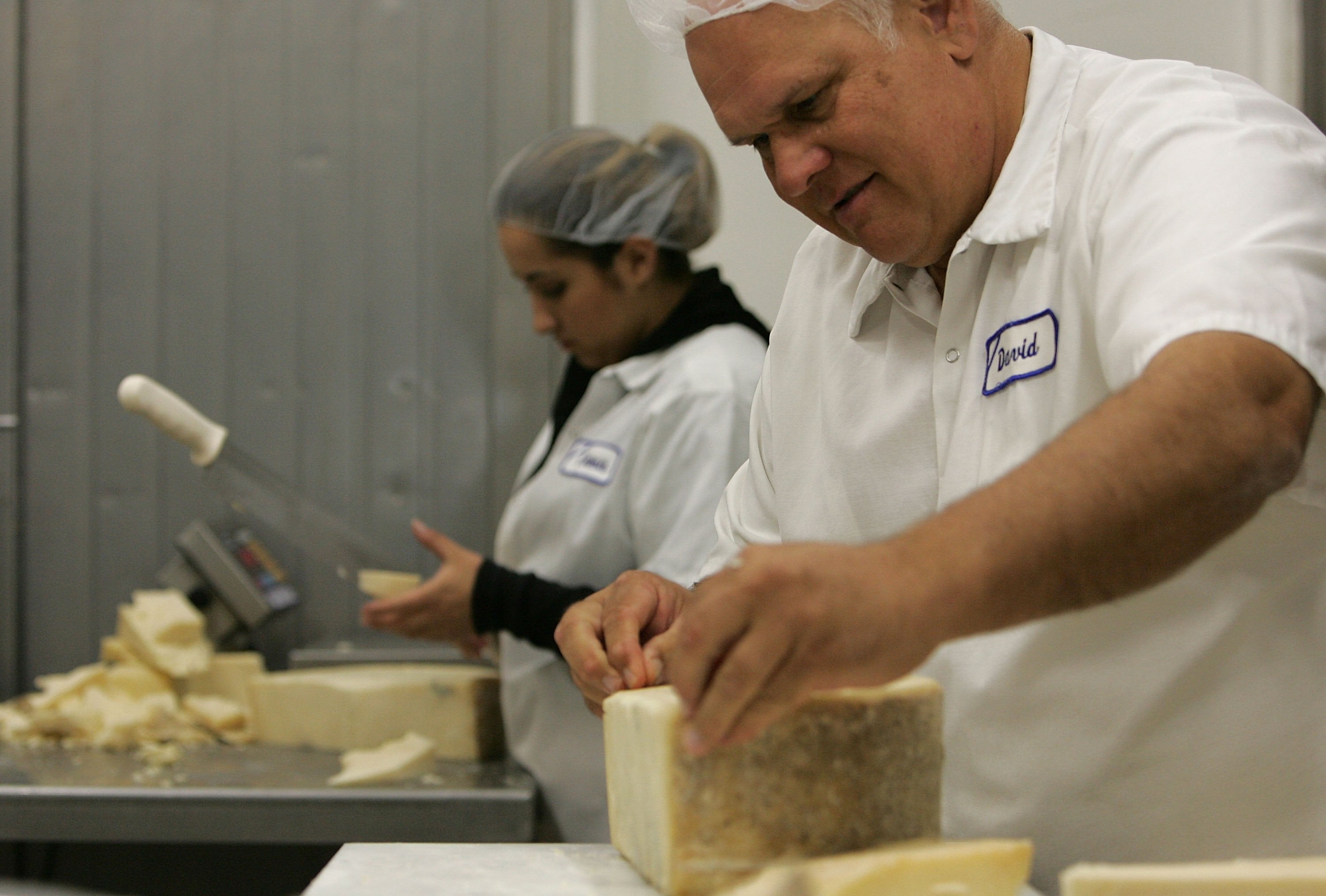 open image in galleryThis fatty food is actually incredibly beneficial for your teeth, according to dentists. Cheddar and other aged cheese helps to keep teeth strong and build protective enamel (Getty Images)
Cheddar is better
Some experts have said cheddar – an incredibly versatile option – is the way to go. But it’s not just the 204 milligrams of calcium and 145 milligrams of phosphorus that make it an enticing option.
Cheddar and other hard, aged cheeses have casein, a protein found in milk that can help further strengthen enamel and works to prevent cavities and sensitivity.
“The protein in cheese called casein coats the teeth with a protective film that helps fend off acid that would normally attach tooth enamel,” Wisconsin’s Dental Associates said.
Another not-so-cheesy benefit
Chewing a slice of buttery cheddar stimulates saliva production, washing away harmful sugar, bacteria and acid that can erode enamel and leave you susceptible to gum disease-causing bacteria.
“Saliva naturally raises the mouth’s pH, buffering acids from foods and drinks, as well as acid that is produced by oral bacteria,” Dr. Sandip Sachar, a dentist in New York City, told Parade. “Lower mouth acidity reduces enamel erosion and helps prevent the conditions that allow cavity-causing bacteria to thrive.”
A study from the Academy of General Dentistry found Ph levels were elevated for 30 minutes after people ate cheddar cheese, beating out yogurt and milk.
Be warned: pairing cheddar with wine or crackers can put your mouth back into an acidic state.
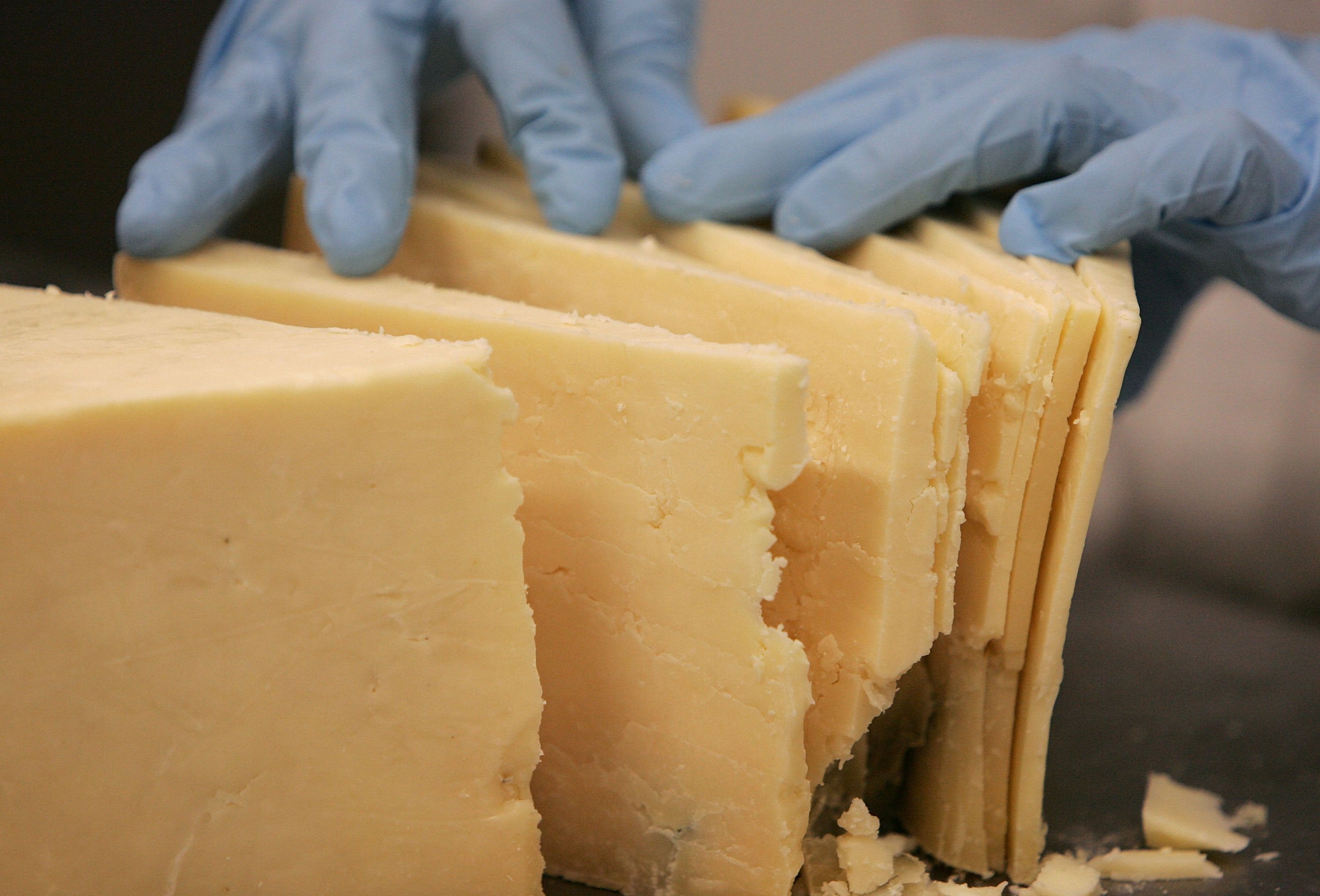 open image in galleryLess than a slice a day is all people need to help prevent tooth decay (Getty Images)
Snack superiorly
Less than a slice of cheddar a day does the trick to help prevent tooth decay, according to California’s Bayhill Dental Care. It can also reduce the risk of heart disease, stroke and death, according to Harvard Medical School.
Cheddar-heads can eat it throughout the day. However, people may want to hold off at night, unless you’re OK with nightmares.
Just don’t overload unless you want to have to see a doctor down the road. Cheddar is one of the healthiest cheeses — yet it still contains 114 calories per ounce.
If you’re following a low-fat diet, don’t worry. You can still get the same benefits.
“Low-fat and non-fat cheeses still contain the same tooth-strengthening minerals, including calcium and phosphorus, as their full-fat counterparts. So, you can enjoy the benefits of cheese without worrying about the fat content,” Ohio’s Bonness Dentistry explained.
More about
TeethCheeseFoodDental HealthdairyJoin our commenting forum
Join thought-provoking conversations, follow other Independent readers and see their replies
Comments