- Travel
This corner of Catalonia is redefining responsible travel in Europe – here’s how
Partner Content.jpeg) Wednesday 03 December 2025 09:29 GMT
Wednesday 03 December 2025 09:29 GMT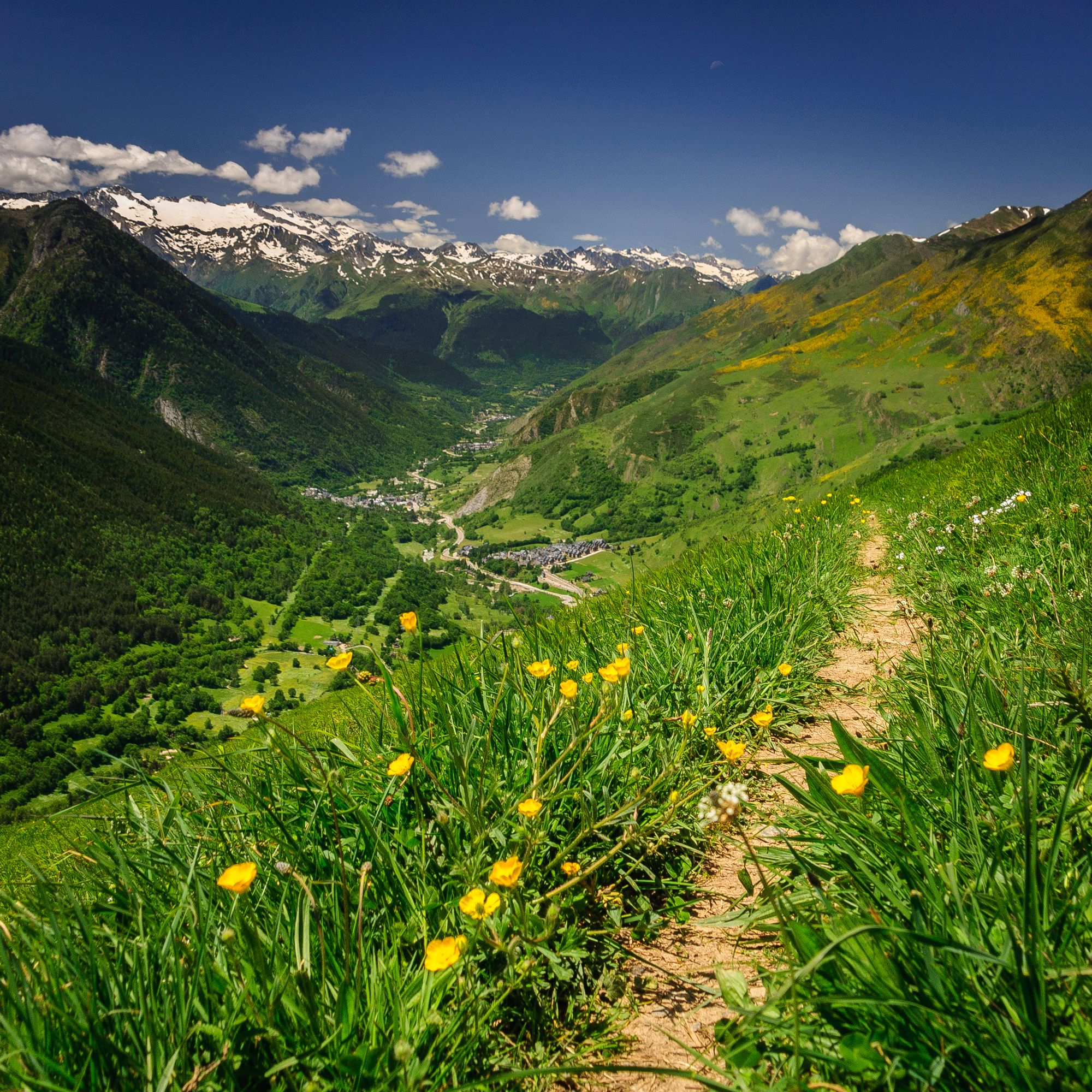 Welcome to one of Spain’s best-kept secrets... (Visit Pirineus)
The Pyrenees of Catalonia are arguably one of Spain’s best-kept secrets. The blissfully crowd-free region, at the country’s far north-eastern corner, stretches 250km across Catalonia from the Val d’Aran to the Mediterranean Sea, and sets the benchmark for sustainable, low-impact tourism. Its diverse protected natural areas span mountain peaks that reach 3,000 metres high, volcanic landscapes, wetlands and forests – all linked by more than 9,000km of peaceful trails, ready for hiking.
Sustainability is not merely a buzzword here, it’s a way of life, and the hiking route El Cinquè Llac perfectly showcases this responsible ethos. This signposted, five-day, 100km circular route weaves along mountain paths, revealing sweeping views of mirror-like lakes and deep, Unesco-listed valleys. In amongst the picturesque peaks, the route offers a window into the biodiversity of the region – you can spot golden eagles up above and roe deer grazing in meadows dotted with wildflowers.
Visitors are encouraged to use public transport to reach the start of the route in La Pobla de Segur. The Tren dels Llacs (Train of the Lakes) is a heritage rail route known for its scenic route heading north from the city of Lleida into the foothills of the Pyrenees.
Stay, eat, and rest the responsible way
Every aspect of a visit to El Cinquè Llac (the Fifth Lake) can be done sustainably, even down to what’s on your plate. You’ll find plenty of mountain cuisine that’s travelled few food miles: expect hearty, slow-cooked dishes such as escudella barrejada (a mix of chickpeas, pasta and traditional botifarra sausage in a rich broth), locally grown mushrooms, delicacies such as quince paste and locally produced mountain wines.
As for accommodation, a string of six rural guesthouses in charming medieval villages make welcoming stopping points for hikers looking to travel sustainably, whether they’re family groups, active travellers or wellness seekers. In fact, these six passionate local accommodation owners designed the Cinquè Llac route with low-impact travel in mind. Part of the income from bookings go directly to maintaining the historic paths and their surrounds, while the guesthouses lead conservation efforts, such as volunteer groups to restore the dry-stone walls. They’ll even pack plastic-free picnics for hikers, made with local artisanal ingredients.
The first guesthouse, in La Pobla de Segur, is Fonda Can Fasersia, a cosy boarding house with a colourful facade and mountain-and-lake vistas. From here, it’s just over six hours – through quaint mountain villages and past the Sleeping Giant mountain, which this first stage of the hike is named for – to get to Peramea, a historic walled village and designated Cultural Asset of National Interest. In Peramea, Casa Parramon awaits: the historic townhouse sleeps just 14 people and also houses a small museum with original features including stables, a wine cellar and traditional olive press.
The second stage of the hike – named the Coven of Serraspina – offers a look into local legends, such as that of the Serraspina peak, where local witches were said to meet. It takes just under five hours to reach the village of Beranui, which has its roots in the Bronze and Iron Ages. And after a night of rest at Casa Macianet, a cosy four-room guesthouse, hikers can fuel up for another day on a breakfast made with local honey, fruit, eggs and milk.
Recommended 7 unforgettable ways to experience the Pyrenees of Catalonia responsibly
 Inside the living traditions of the Pyrenees of Catalonia
 Five perfect family getaways in Catalonia’s green heart
Crossing The Devil’s Bridge
The Devil’s Bridge leg of the hike traverses a bridge of the same name, said in folklore to have been constructed overnight by the devil, and offers views of the spectacular Vall Fosca, which lies within the Origens Unesco Global Geopark. This six-and-a-half-hour hike ends up in Les Esglésies, at the foot of the unspoilt Llevatan mountains; stay at Casa Batille i Casa Mossèn Batista, a guesthouse whose restaurant specialises in flavours of the region, including locally sourced meat and mushrooms, and warm, slow-cooked Catalan broths.
Continue on for stage four, the Casa Encantada hike. Although the paths are steep, you’ll be rewarded with particularly stunning views along the way to Senterada, and a night spent at the charming family-run eco-retreat, Casa Leonardo. Each of its eight rooms are uniquely rustic, with handmade tiles, wooden furnishings and colourful walls.
The fifth and final day of the hike ends up at the route’s namesake ‘fifth’ lake – the tranquil Montcortès Lake – and finally the medieval village of Claverol and the rustic Casa Churchill. The Casa dates back to 1670 and offers views of the snow-dusted peaks of the High Pyrenees, along with creature comforts to reward your efforts as you celebrate the end of your journey, including organic toiletries and a heated pool with hydro-massage and chromo-therapy.
Plan your sustainable trip to the Catalan Pyrenees at visitpirineus.com/en