- Travel
From fire festivals with flaming torches to frenzied carnivals and long-standing foodie rituals, the high-octane, high altitude traditions of the region are some of the most vibrant in Europe
Partner Content.jpeg) Wednesday 03 December 2025 09:29 GMT
Wednesday 03 December 2025 09:29 GMT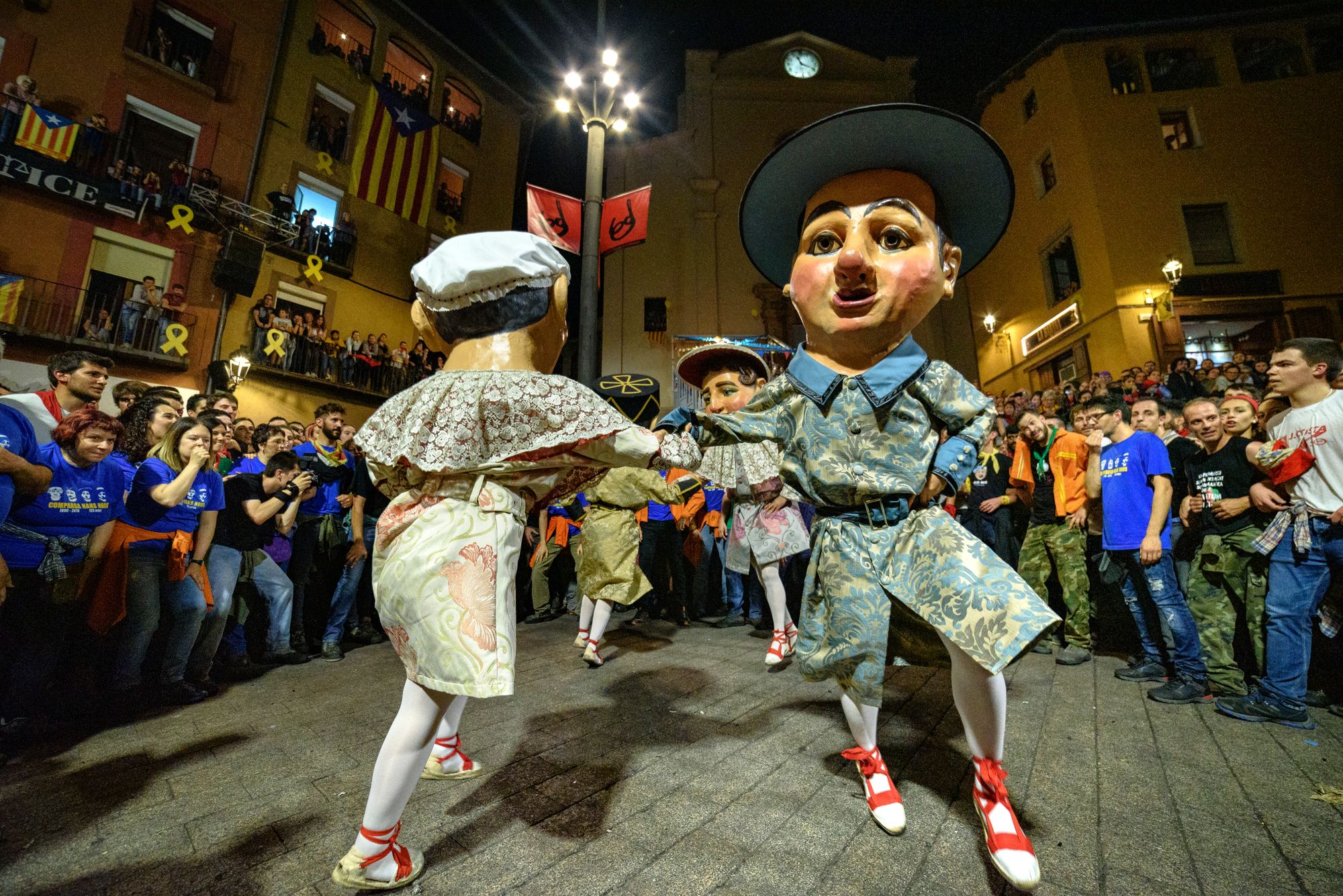 (Visit Pirineus)
The Catalan Pyrenees is rightly celebrated as one of Europe’s great year-round adventure playgrounds. The region is packed with the kind of sensational ski resorts that make it one of the continent’s great winter destinations, and when the snow melts it transforms into a green, lake-dotted hikers’ idyll. What’s less well-known is that beyond the famous trails and peaks, the hills of Catalonia contain towns and villages alive with tradition, where the people enthusiastically maintain vibrant cultural practices some of which stretch for hundreds of years.
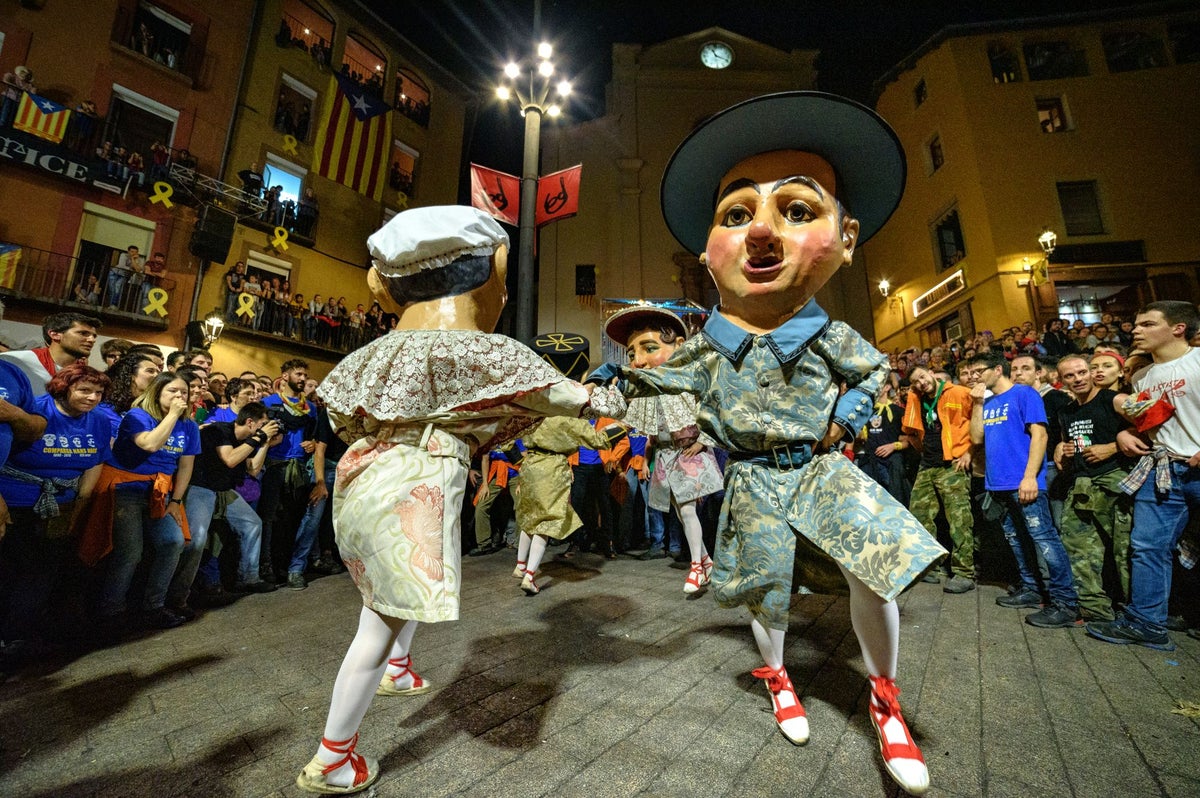
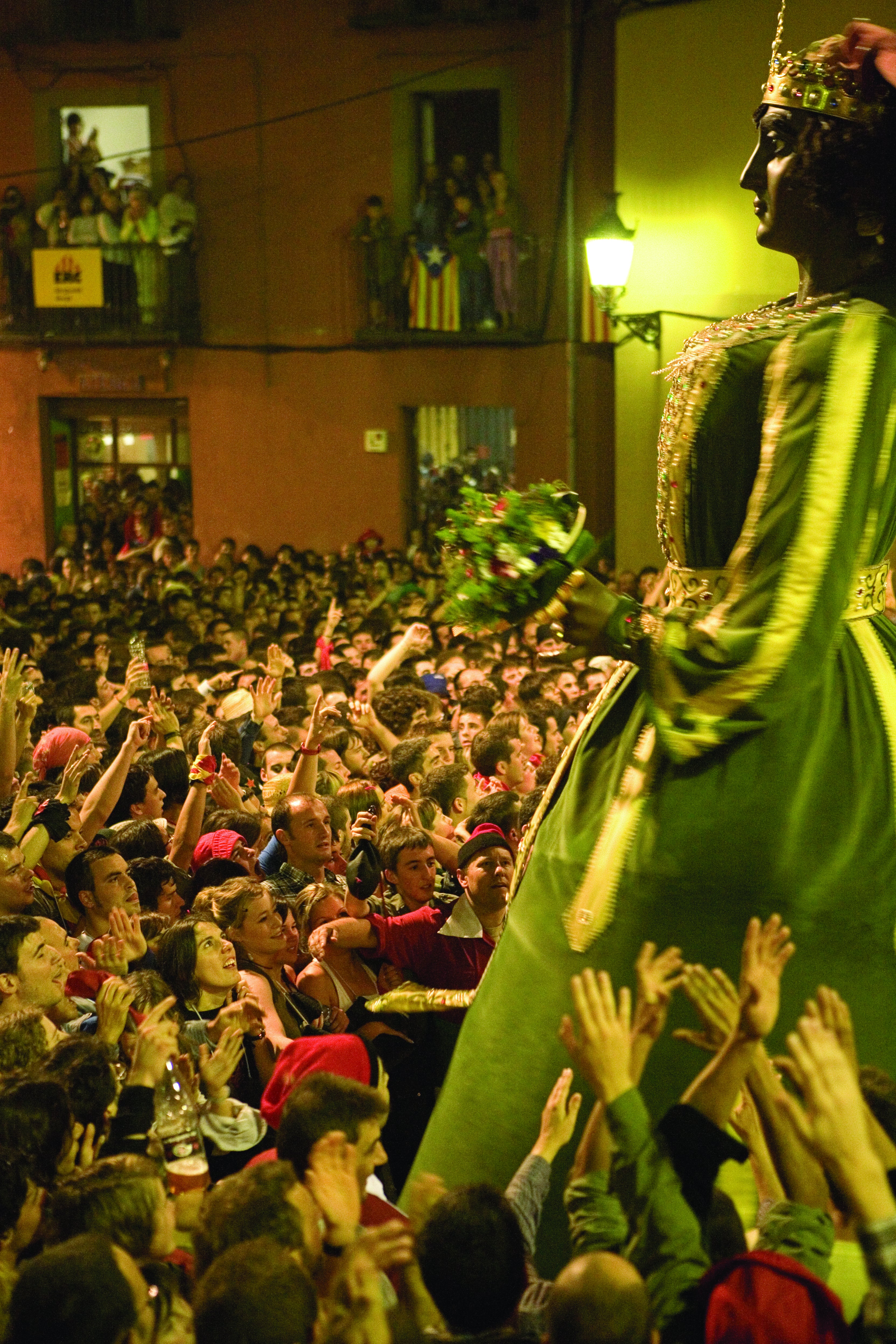 The Patum of Berga has been celebrated annually during the feast of Corpus Christi for more than six centuries (Visit Pirineus)
Take, for example, the Patum of Berga, a tradition that’s been celebrated annually during the feast of Corpus Christi for more than six centuries. Originally staged to teach people about the Holy Scriptures, the Patum has evolved over time into an intense and riotous carnival, which always lives up to its former name: Bullícia del Santíssim Sagrament (frenzy of the Blessed Sacrament). These days, locals crowd the streets to watch processions and performances featuring drummers and Guites (figures with a dragon’s head, giraffe’s neck, mule’s body, and horse’s tail), angels and mace-wielding demons, giants dancing to traditional Catalan melodies, and simulated battles in which the heroes always triumph. Because of the annual differences in the Easter cycle, it doesn’t have a fixed date but always takes place between the end of May and the end of June (in 2026, the main festival runs June 3rd-7th).
Summer solstice
Similarly raucous is the fiery summer Fallas festival in the high Pyrenees, which celebrates the summer solstice. The festivities take places in 17 villages, each of which has a slightly different tradition but all of which involve young people lighting two-metre-long flaming torches on high points in the mountains. They then walk towards their villages, dancing and drawing patterns with the lighted torches, guided by a local leader, until they reach a bonfire in the central square, which they light with the torch and traditional dances are performed.
Fire is a consistent theme across many of the longstanding traditions of the Catalan Pyrenees. Over in the village of Les in the Val d'Aran, Falles are quite different. The Crema de Eth Haro, which takes place on the eve of Saint John's Day at the end of June, involves the burning of a tall fir tree trunk that was planted the year before. While the trunk burns, young people spin balls of fire called halhes (made of cherry bark and wire), the sparks of which are thought to bring the fire to every corner of the village.
Recommended Peace among the peaks: journey through Spain’s sustainable mountains
 7 unforgettable ways to experience the Pyrenees of Catalonia responsibly
 Five perfect family getaways in Catalonia’s green heart
Culinary traditions
The region is also home to some rich culinary traditions with long histories. Take, for example, the Carnaval de Solsona, a quirky, nine-day celebration where giant puppets parade through the streets, pranks unfold in the squares, and the whole town gathers for communal meals. Alongside the playful chaos, locals come together to share hearty winter dishes and regional specialities made from Solsonès produce, from rich stews to pork-based favourites. It’s a festival that blends satire, pageantry and food, bringing generations together around long tables in the main square to celebrate community, seasonality and the enduring flavours of the region.
For those looking for a rich sense of lived history, the Pyrenees of Catalonia are not just about festivals and food, the buildings are magnificent too. For an astonishing insight into life in the 12th and 13th Centuries, head to the beautifully preserved Romanesque churches in the Vall de Boí, near the border with Aragon. In all of Europe, Catalonia has perhaps the greatest collection of Romanesque murals; some of them in the National Art Museum of Catalonia in Barcelona, others in situ in these nine stunning churches. Don’t miss Sant Climent de Taüll, which was consecrated back in 1123; its atmospheric interior and beautiful tower are a portal to distant time through video mapping.
Plan your sustainable trip to the Pyrenees of Catalonia at visitpirineus.com/en