- Lifestyle
- Health & Families
The H3N2 subclade “K” strain has already led to increased hospitalizations in countries such as Canada and the U.K.
Erin KellerIn OhioWednesday 03 December 2025 14:57 GMTComments
 CloseWhat to know about the new 'K' flu variant
Sign up to our free Living Well email for advice on living a happier, healthier and longer life
Live your life healthier and happier with our free weekly Living Well newsletter
Live your life healthier and happier with our free weekly Living Well newsletter
Email*SIGN UPI would like to be emailed about offers, events and updates from The Independent. Read our Privacy notice
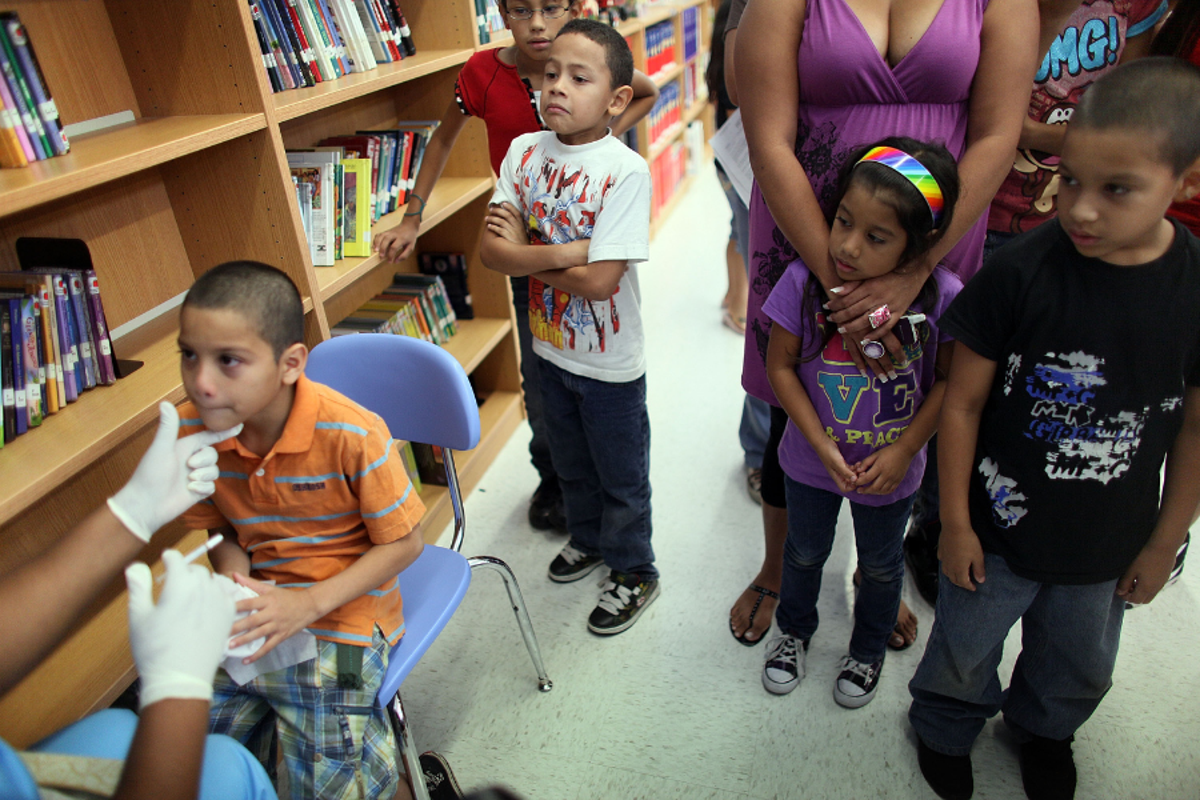
Schools across the U.S. are bracing for more illnesses and absences as a fast-spreading flu variant picks up speed across the nation.
The H3N2 subclade “K” strain has already led to increased hospitalizations in countries such as Canada and the U.K., and early evidence suggests this season’s flu shot may be less effective against it because the variant carries multiple mutations that differ from the vaccine’s target strain.
Still, experts continue to urge flu vaccination, noting that even a less effective shot still reduces severe illness, hospitalizations, and overall spread, making some protection far better than none.
“Even an imperfect influenza vaccine — let’s say it shaves 30 percent off of your influenza risk — is still probably shaving even more off your risk of getting severe influenza, meaning you’re only 30 percent as likely to get the flu, but if you get the flu, your likelihood of getting severe flu is much, much lower,” Ryan Maves, professor of infectious disease at Wake Forest University, told The Hill.
“Your likelihood of going to the ICU is much lower. Your likelihood of getting hospitalized is much lower, your likelihood of death is much lower. All of those things together cumulatively affect the risk and the efficacy of any given influenza vaccine and so, when we look at getting the flu shot this year, I don’t think it’s really a decision. The decision is, ‘How lucky do you feel?’” he added.
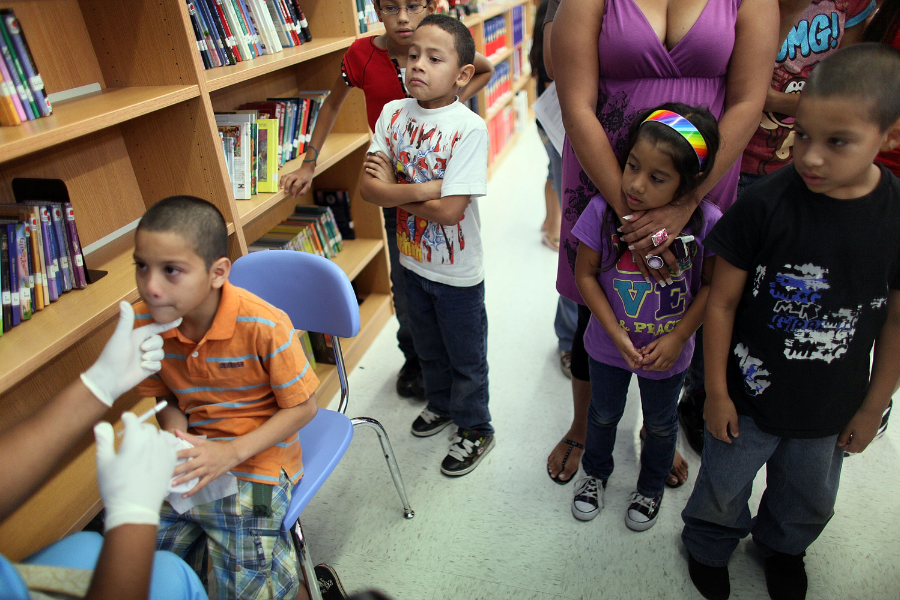 The new 'K' flu variant is driving hospitalizations abroad and may reduce flu vaccine effectiveness, but experts stress that vaccination still helps prevent severe illness and slow the spread. (Getty Images)
Unlike some required school vaccines, no state mandates flu shots for schoolchildren, and last year, fewer than half of students received a flu vaccine.
According to the Centers for Disease Control, clinical labs reported a 5 percent case-positivity rate for all types of influenza last week. That figure is up from 2.9 percent just a week earlier. The rise has been noted in young people.
Schools and health providers say they are receiving less federal support than in previous years, a shift they attribute to Health and Human Services Secretary Robert F. Kennedy Jr.’s skepticism toward vaccines.
Last flu season saw some of the highest hospitalization rates in recent years and resulted in the deaths of more than 280 children, The Hill reports.
The new “K” strain is a particularly unpleasant version of being sick, experts say,
"You'll usually develop [symptoms] about one to four days after being exposed, and it feels like being hit by a truck," ABC News chief medical correspondent Dr. Tara Narul recently said. "It's different from a cold, so you're going to have fever, muscle aches, headaches, chills, sore throat, cough, runny nose, stuffy nose, maybe even vomiting and diarrhea."
In addition to the vaccine, experts also say the spread can be limited by encouraging students and staff to stay home when sick, has become harder for schools dealing with widespread chronic absenteeism and ongoing staffing shortages.
According to Lynn Nelson of the National Association of School Nurses, schools once used a rise of more than 10 percent in chronic absenteeism as a warning sign of a flu outbreak. However, absenteeism has climbed so dramatically since the COVID-19 pandemic that this benchmark no longer provides a reliable indicator of flu activity.
Nelson told The Hill that schools should focus less on specific absenteeism percentages and more on the symptoms students show, such as a sudden high fever.
She added that schools also need “anecdotal information you get from parents on the phone about why they’re keeping their child out of school, because if you’re seeing clusters of cases, it could be influenza, then people need to pay attention to that.”
More about
shotSchoolsVaccineFlusicknessJoin our commenting forum
Join thought-provoking conversations, follow other Independent readers and see their replies
Comments