- News
- World
- Americas
- US politics
Release of ‘untested and unproven allegations’ could imperil her chances of a fair trial in the future, attorneys say
Alex Woodwardin New YorkWednesday 03 December 2025 18:10 GMT
 CloseCreepy new images provide never-before-seen look at Epstein Island
Sign up for the daily Inside Washington email for exclusive US coverage and analysis sent to your inbox
Get our free Inside Washington email
Get our free Inside Washington email
Email*SIGN UPI would like to be emailed about offers, events and updates from The Independent. Read our Privacy notice
Convicted sex trafficker Ghislaine Maxwell won’t fight the release of grand jury materials after Donald Trump signed a measure compelling the Department of Justice to release everything it has on her associate Jeffrey Epstein.
But releasing grand jury files from her case could complicate her long-shot attempts to get a new trial, her attorneys wrote in a federal court filing Wednesday.
“Releasing the grand jury materials from her case, which contain untested and unproven allegations, would create undue prejudice so severe that it would foreclose the possibility of a fair retrial” should she successfully win a retrial, they added.
Lawyers for Maxwell, who is serving a 20-year prison sentence after she was found guilty of recruiting and grooming young women and girls, have previously urged judges overseeing her case to keep grand jury materials that led to a criminal indictment sealed.
“Jeffrey Epstein is dead. Ghislaine Maxwell is not,” Maxwell’s attorneys wrote in a court filing in August. Public interest in the Epstein case “cannot justify a broad intrusion into grand jury secrecy in a case where the defendant is alive, her legal options are viable, and her due process rights remain,” they added.
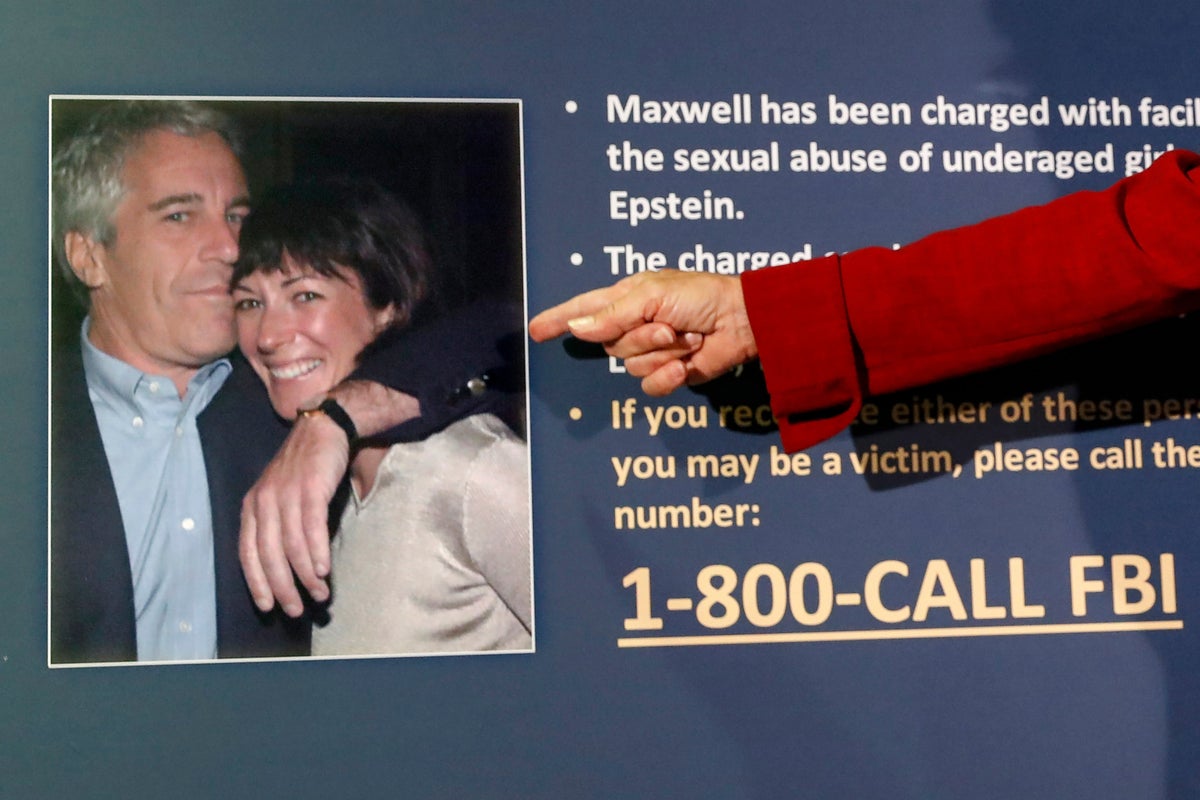
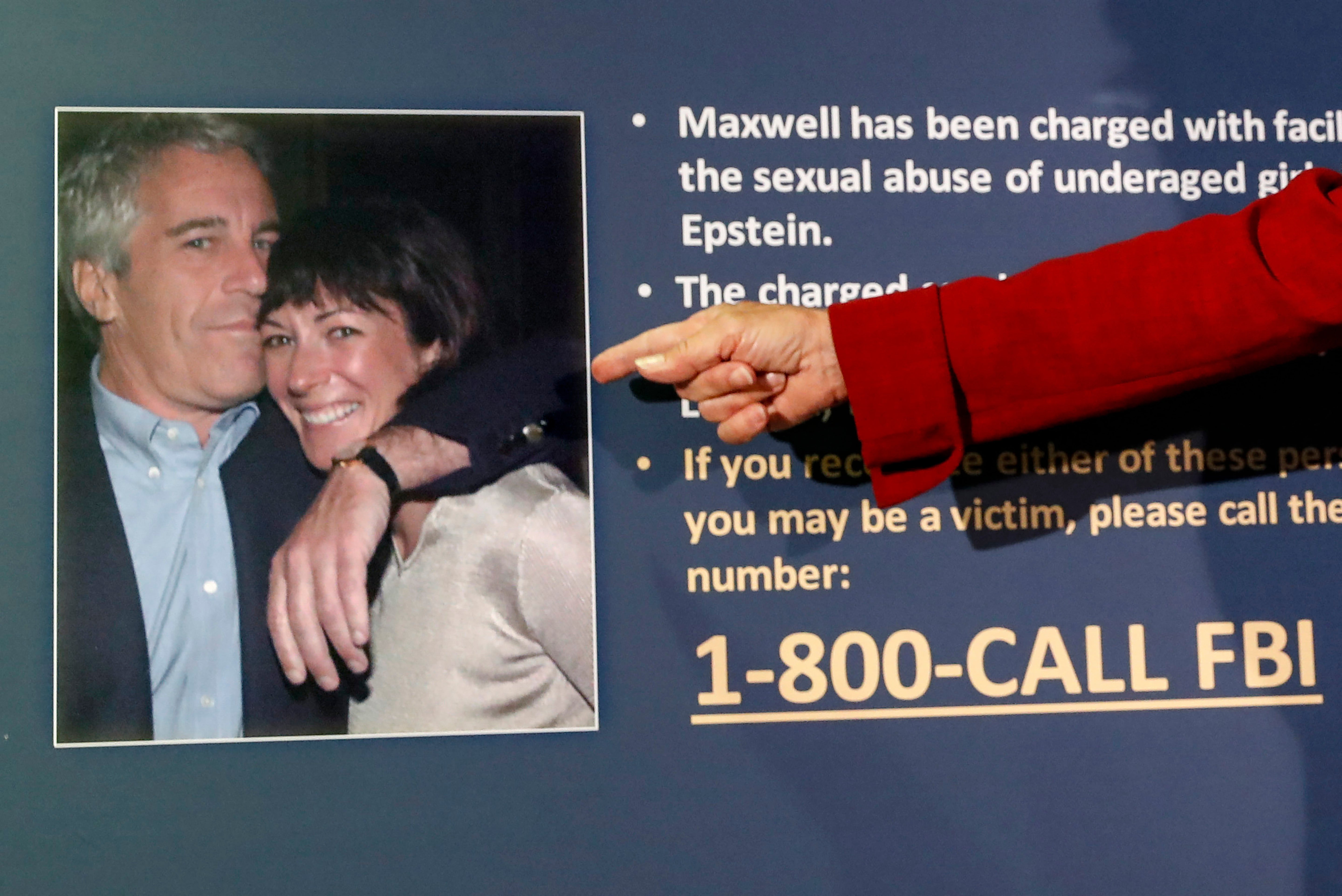 open image in galleryGhislaine Maxwell won’t challenge the Justice Department’s release of grand jury materials from her Epstein-connected case, but she says they will cause ‘severe’ harm to her attempts to get a retrial (AP)
Prosecutors in New York brought federal sex trafficking charges against Epstein in 2019, and he was found dead in his jail cell shortly after his arrest that year. Maxwell was indicted in 2020 for crimes associated with Epstein’s decades-long scheme to recruit young women and girls — some as young as 14 years old — then sexually abuse them.
From 1994 to 2004, Maxwell and Epstein worked together to recruit young girls and entice them to travel to Epstein’s properties, according to prosecutors. During a monthlong trial in 2021, survivors testified in federal court in Manhattan that Maxwell had groomed them, taken their passports, and sexually abused them.
In October, the Supreme Court denied Maxwell’s appeal after she asked the nation’s highest court to review whether prosecutors fairly brought the case against her.
“We’re, of course, deeply disappointed that the Supreme Court declined to hear Ghislaine Maxwell’s case,” her attorney David Oscar Markus said in a statement to The Independent at the time. “But this fight isn’t over. Serious legal and factual issues remain, and we will continue to pursue every avenue available to ensure that justice is done.”
Maxwell’s lawyers had argued in court documents that Epstein’s agreement with federal prosecutors in Florida, which included a pledge not to prosecute him or potential co-conspirators, should apply to one of the counts in Maxwell’s case.
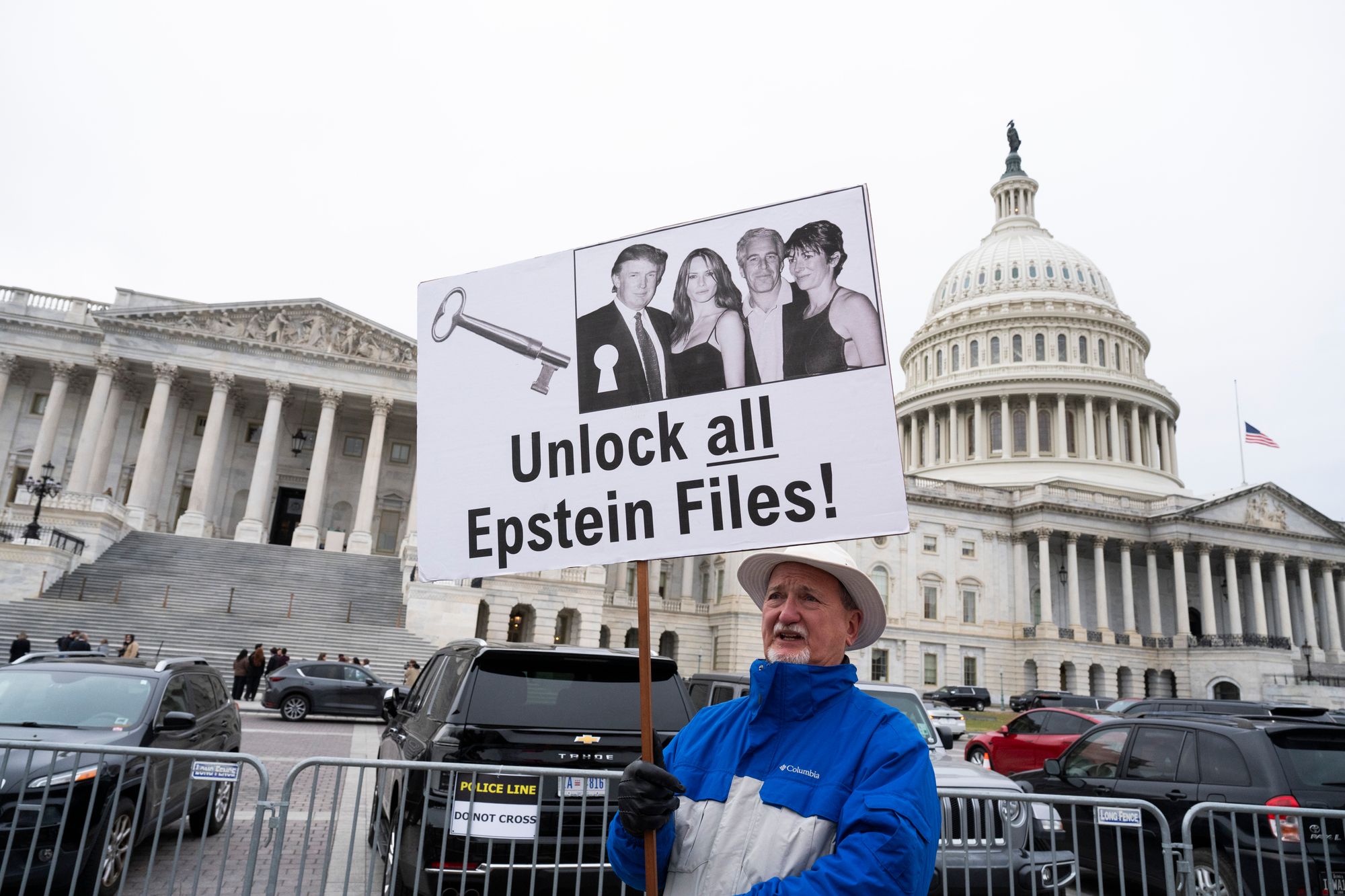 open image in galleryA measure signed into law by Donald Trump compels the Justice Department to release the so-called Epstein files in its possession (Getty Images)
Maxwell, who is now 63, is not scheduled to be released from prison until 2040. Her best chance of early release is a presidential pardon, though legal experts warn that public statements suggesting that a pardon is even remotely on the table could encourage Maxwell to do anything she can to secure one.
Markus, her attorney, has previously said Maxwell would “welcome” a presidential pardon, though she has not formally sought one. The president has acknowledged his pardoning power but has not committed to giving her one.
In July, the Justice Department determined “no further disclosure” in the Epstein case “would be appropriate or warranted.” But in an apparent attempt to suppress criticism surrounding the decision, Deputy Attorney General Todd Blanche interviewed Maxwell over two days at a Florida courthouse close to the maximum security prison where she was incarcerated.
Maxwell agreed to cooperate with prosecutors, and she was suddenly moved to a minimum security prison in Texas.
In her interview with Blanche, Maxwell said she “absolutely never” saw Trump behave inappropriately with anyone in Epstein’s circle and praised the president for his “extraordinary achievement in becoming the president now.” She also said she “liked him.”
Last month, Trump reluctantly agreed to sign a measure approved by Congress that compels the Justice Department to release all investigative materials from the Epstein case in its possession.
Those documents face a December 19 deadline for their public release.