- Travel
- News & Advice
After Manchester-London ‘no passengers’ U-turn, who calls the shots on which rail services can run?
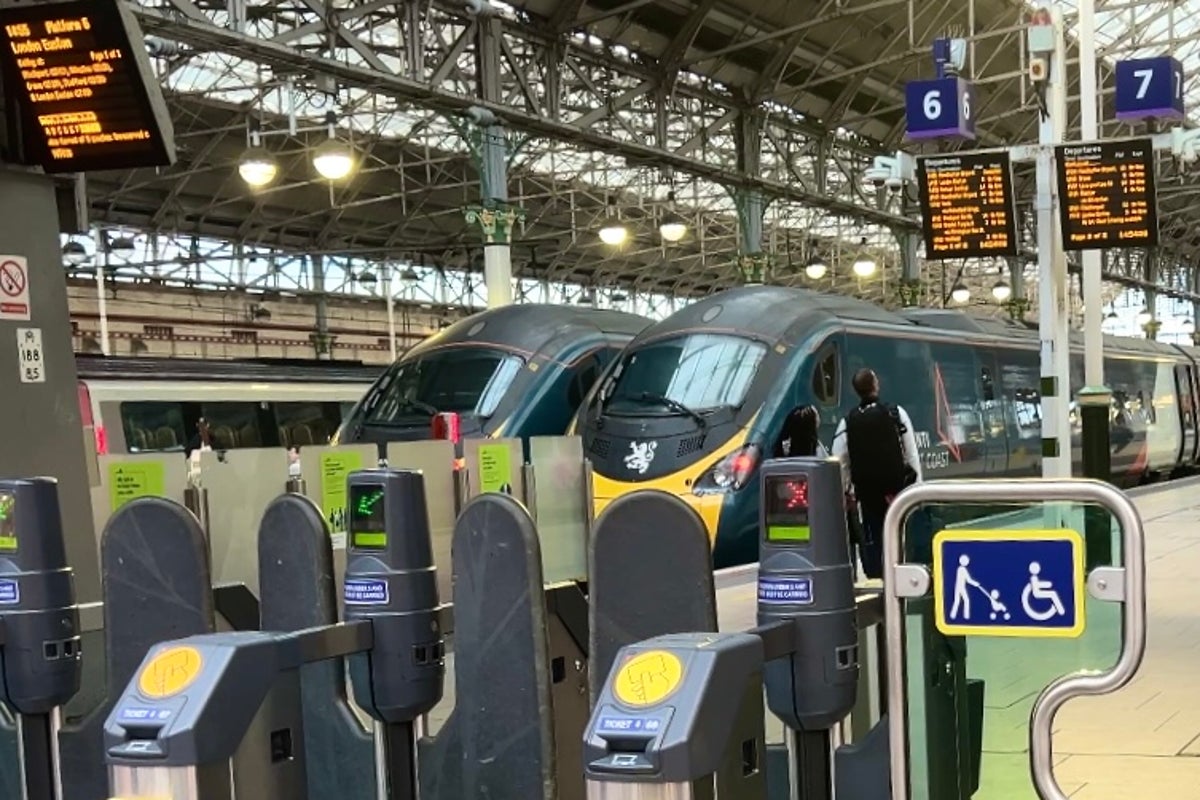
Simon CalderTravel Correspondent Monday 01 December 2025 17:39 GMTComments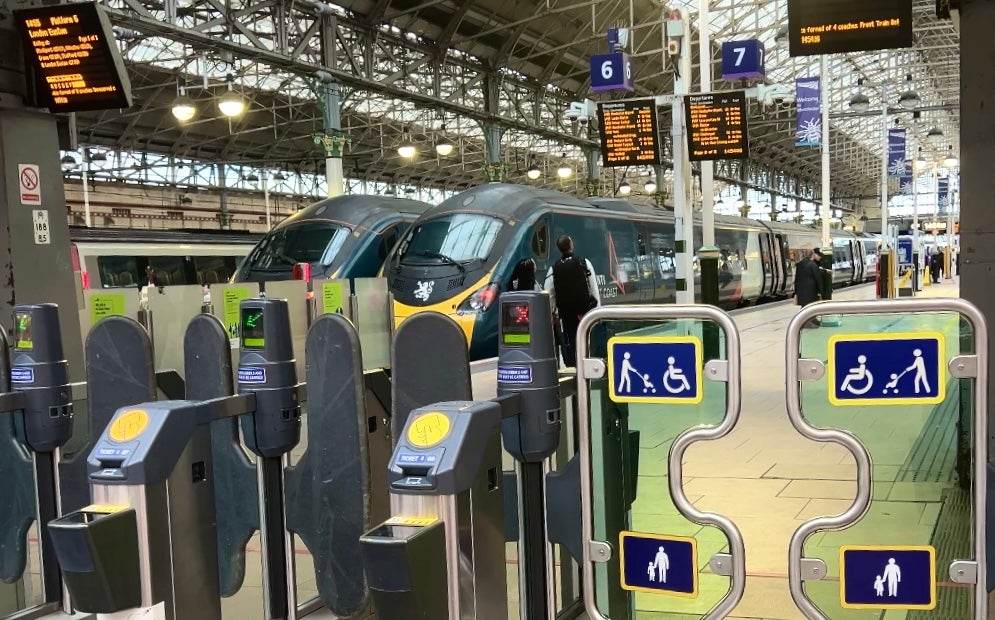 open image in galleryAll aboard: The 7am Avanti West Coast express from Manchester Piccadilly can now carry paying passengers (Simon Calder )
Sign up to Simon Calder’s free travel email for expert advice and money-saving discounts
Get Simon Calder’s Travel email
Get Simon Calder’s Travel email
Email*SIGN UPI would like to be emailed about offers, events and updates from The Independent. Read our Privacy notice
How’s this for a station announcement? “The train at platform five is the 7am express from Manchester Piccadilly via Stockport to London Euston – but passengers cannot travel on this service.”
That was the plan from 15 December: the fastest train on the route between Manchester and London would run as normal, but the only people allowed on board would be Avanti West Coast staff.
After a couple of days of public outrage – as well as the media pointing out this was not an example of a joined-up railway that voters had been promised – the decision was reversed. The Office of Rail and Road (ORR) said: “We have given Network Rail and Avanti the go ahead to arrange for the 7am service to continue running with passengers.”
As the government desperately seeks to lure passengers from road to rail, this looked like a gesture of contempt aimed at both the passenger and the taxpayer.
But is there more to the decision than meets the eye? And what other weird trains are running, or not? Simon Calder is your trainspotter.
 open image in galleryThe decision was reversed after days of public outrage (Avanti West Coast)
A 7am Manchester-London express sounds useful?
Yes, covering 184 miles between the two cities in 1h59m, the Avanti West Coast express is the only train of the day that can get you from Manchester to London in under two hours. All other trains between the two cities make multiple stops along the way. But the seven o’clock calls only at Stockport.
By catching this particular train, you can reach the capital before 9am without having to get up at silly o’clock. It’s probably the train which has the highest proportion of passengers paying the £193 “anytime” one-way fare for the privilege.
Besides catering to business passengers with meetings in London, the train provides good connections from London St Pancras International to Eurostar trains to Paris, Brussels and Amsterdam.
What was supposed to change from 15 December – and why?
The train was to run empty from Manchester Piccadilly to London Euston. The reason: allocation of “paths” (the railway term that corresponds to airport slots). The regulator, the Office of Rail and Road (ORR), is required “to make tough choices about operator access” on a rail network that is “increasingly congested”.
The ORR says the 7am express occupies a path that Network Rail wants to keep clear as a “firebreak”. Such a policy introduces some slack in the system to help with recovery in the event of disruption.
The organisation originally said: “Our decision on the Manchester–London service was based on robust evidence provided by Network Rail that adding services within ‘firebreak’ paths on the West Coast Main Line would have a detrimental impact on performance.
“If Avanti operates the service as empty coaching stock (ECS), [it] can be run more flexibly than a booked passenger service. This can assist with performance management and service recovery during disruption.”
In other words, were a signal or points failure to delay all the southbound services, a train with no passengers on board can be moved out of the way – such as the pretty way around the Northampton loop – or held until the delays had cleared.
 open image in galleryThe train runs from Manchester Piccadilly to London Euston (pictured) (Getty/iStock)
Why didn’t the ORR just cancel the train? Running an empty service must cost a fortune.
Moving about 500 tonnes of metal nearly 200 miles at 125mph consumes a huge amount of energy. In addition there is wear and tear on the train and tracks. Train crew need to be paid.
But the rolling stock cannot simply stay in the Longsight Depot in Greater Manchester. Running an intercity network connecting London Euston with the West Midlands, northwest England, North Wales and southern Scotland is a complex business – and that train is planned to be used for other services going north from London later in the morning.
The train operator said it was “disappointed” with the ORR instruction. There is clearly demand from passengers for a fast service arriving before 9am – and that would help to reduce the huge taxpayer subsidy for the railways.
If the train had to go south, any other solutions?
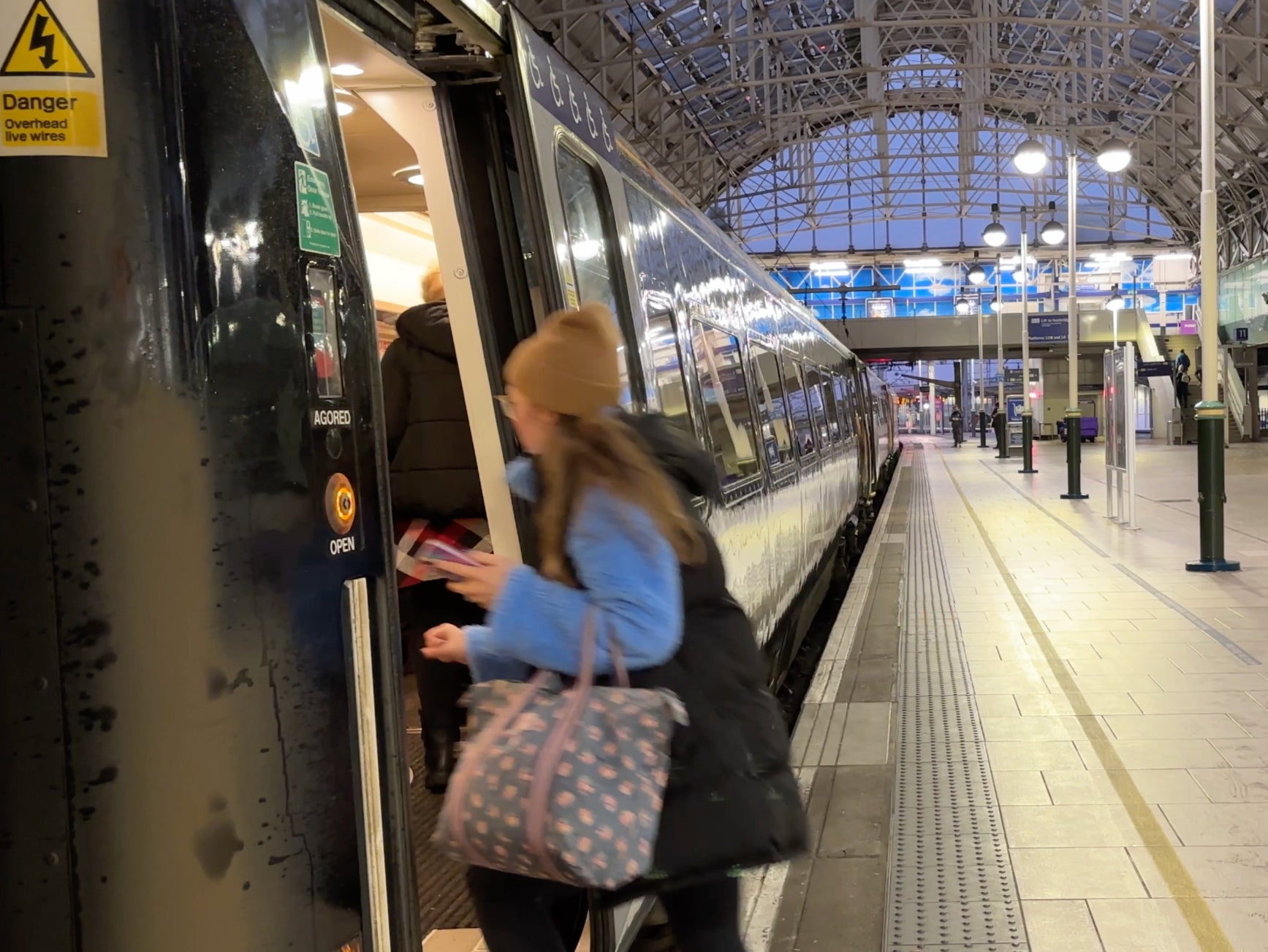
I asked the Office of Rail and Road and the government whether there was another way of keeping a path open for earning revenue and providing a service, such as by starting very early or taking a different route – such as via the West Midlands?
My second option: to sell tickets for the 7am but with caveats attached. For example, Avanti West Coast could be upfront with passengers and say: “This train is susceptible to delay and disruption. We’ll sell you a seat, but if you end up being an hour or more late, or the train is cancelled, you won’t get compensation.”
But before I could get a reply, the ORR had backpedalled and said it would reinstate the right to pay £193 and travel on the 7am.
A spokesperson said: “On the basis of the information we have, we believe the running of this 7am service could have a negative impact on reliability and punctuality of services on the West Coast Main Line, but we recognise its importance and popularity and will support its continued operation.”
 open image in gallerySimon suggested the train could travel via a different route (Simon Calder)
Who decides what trains can run?
The Department for Transport (DfT) prescribes the vast majority of trains that should run – either through its directly operated units including Greater Anglia, South Western Railway and TransPennine Express, or with tightly written agreements for other franchise operators.
But the Office of Rail and Road is required to “make sure that the rail industry is competitive and fair”. It chooses, for example, which “open access” operations can run. These are privately run routes often competing with government-stipulated services.
One of these, a Lumo enterprise from Stirling via Carlisle and Preston to London Euston, will be using some of the scarce paths that Avanti West Coast needs to be able to run the services it believes passengers needs.
Is this problem here to stay?
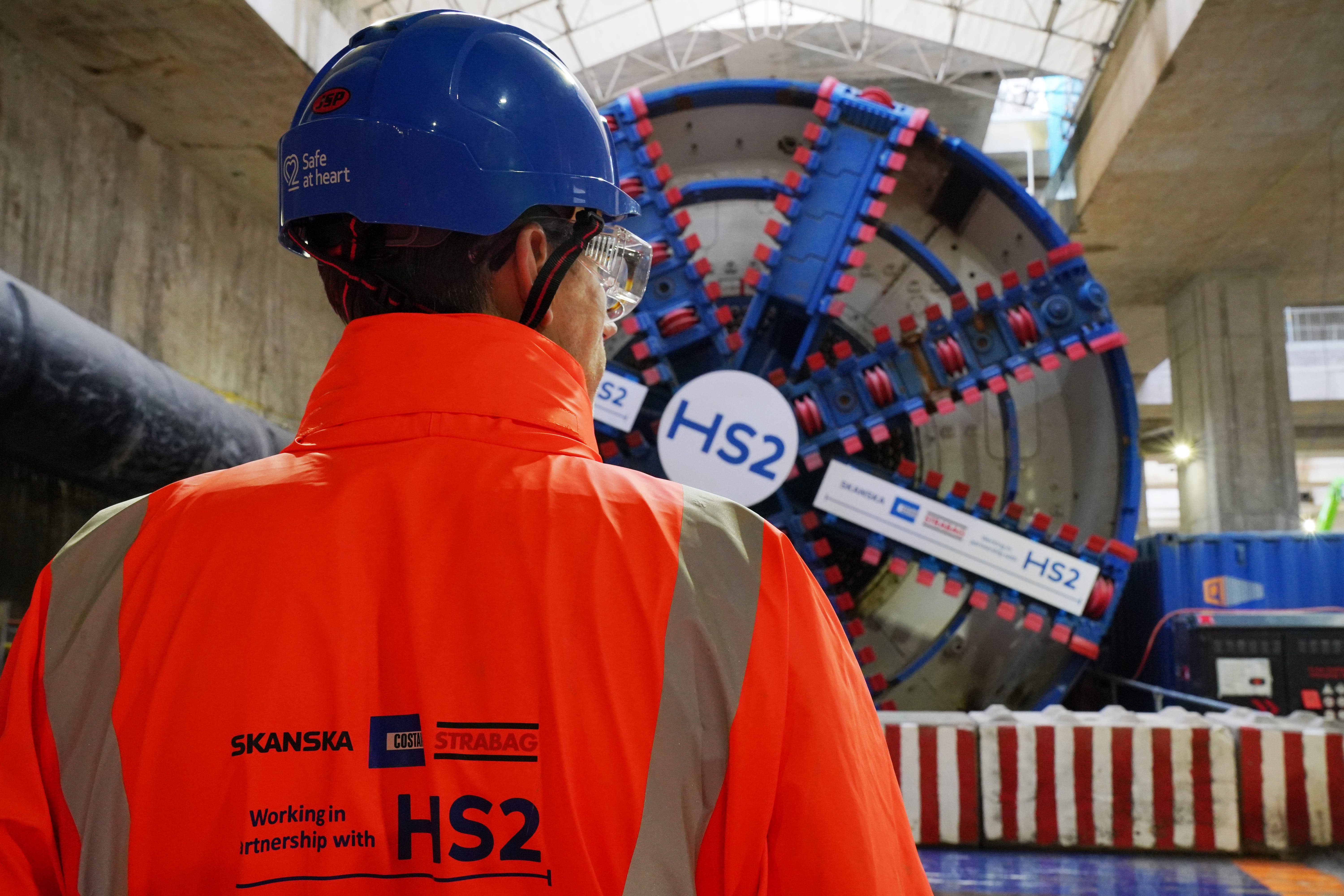
Longer term, the only way to free up capacity is to build a completely new high-speed line connecting Manchester with London on which all the fast intercity trains could run. It could be called something like “HS2”.
That was exactly the plan until two years ago when the then-prime minister Rishi Sunak axed High Speed 2 north of Birmingham – even though the most valuable and essential part of the scheme was between the West Midlands and Manchester.
This “ghost train” articulates perfectly the need for HS2 to be completed to Manchester. The incoming Labour government did not resurrect the plan.
 open image in galleryThe beleaguered HS2 line was axed north of Birmingham (PA Archive)
What other ‘ghost trains’ are running around the UK?
The term is usually used to describe trains that run on stretches of track as infrequently as once a week. These train are not intended to perform any useful passenger function, but instead fulfil a legal necessity on several grounds:
- Formally closing a stretch of track or a station can be formidably complex and expensive
- Drivers may need to keep familiar with a particular line because of the possibility of a diversion
- The railway may have access rights across private property that it needs to maintain
Examples include the Saturday-only 8.30am Northern train from Stalybridge to Stockport, with no return service.
Southern England is now the proud possessor of an entire “ghost line”. The East West Rail route was supposed to see trains running from Oxford to Milton Keynes later this month. But a row about driver-only operation of trains means the deadline has been missed, with no indication of when they may start.
Is this the weirdest train timetable story you’ve covered?
It’s actually joint first. The last time something as mad took place was in the late 1990s. Trains on the West Coast Main Line were made to wait for up to 10 minutes at various stations along the way to allow a non-existent train to overtake them.
This was when Eurostar intended to run direct trains to Paris and Brussels. A timetable was imposed to allow the trains to connect Manchester and Birmingham with the French capital.
But Eurostar’s sums didn’t add up: the rise of budget airlines meant “Regional Eurostar” never actually started. But many passengers took longer than they should to reach their destination, due to waiting pointlessly for a real ghost train to pass.
Read more: How do Britain’s rail fares compare with train ticket prices in Europe?
More about
Office of Rail and RoadAvanti West CoastLondon EustonRailJoin our commenting forum
Join thought-provoking conversations, follow other Independent readers and see their replies
Comments