- News
- UK
- UK Politics
More than half a million families will benefit from the measure
Albert Toth,Alicja HagopianWednesday 26 November 2025 12:56 GMTComments
 CloseRachel Reeves responds to 'deeply disappointing' OBR Budget leak
Sign up for the View from Westminster email for expert analysis straight to your inbox
Get our free View from Westminster email
Get our free View from Westminster email
Email*SIGN UPI would like to be emailed about offers, events and updates from The Independent. Read our Privacy notice
Rachel Reeves will announce an end to the two-child benefit cap at today’s Budget, following months of intense pressure from backbenchers, campaign groups and political opponents.
The move will increase the benefits for 560,000 families by an average of £5,310, the Office for Budget Responsibility’s (OBR) leaked fiscal outlook has calculated.
Set to come into effect from April 2026, the government estimates that the change will reduce the number of children living in poverty by 450,000 by 2029/30.
It will cost the exchequer £3 billion by this time, according to the OBR.
This will be partly offset by reforms to gambling taxation, set to raise £1.1bn, mirroring a recommendation made by former Labour prime minister Gordon Brown in the build up to the fiscal event.
 open image in galleryRachel Reeves delivers Labour’s 2025 autumn Budget (Parliament TV)
The decision will come as a relief for child poverty campaigners who had urged the chancellor to fully scrap the policy, rather than tweak it.
It marks a major U-turn for Labour, with ministers previously refusing to listen to critics on the measure. Last year, the prime minister enforced the whip on seven Labour MPs who voted against their party to oppose the two-child benefit cap.
Here’s everything you need to know about the policy and what the scrap will mean for families:
What is the two-child cap on benefits?
The two-child benefit cap prevents parents from claiming universal credit or tax credit for their third child. It was introduced by the Conservatives and came into place in April 2017. It only applies to children who were born after 6 April 2017.
The measure was announced by then-chancellor George Osborne alongside a raft of other changes to the benefits system. The Conservatives said the measures were designed to encourage benefit recipients “to make the same choices as those supporting themselves solely through work”.
Latest official figures show that 1.6 million children are living in families affected by the policy. Campaigners, charities and politicians from across the spectrum have called on the government to scrap the measure.
It is a separate policy to the benefit cap, which was also introduced under the then-Conservative and Liberal Democrat coalition government, which sees the amount of benefits a household receives reduced to ensure claimants do not receive more than the limit.
What is the effect of the two-child cap?
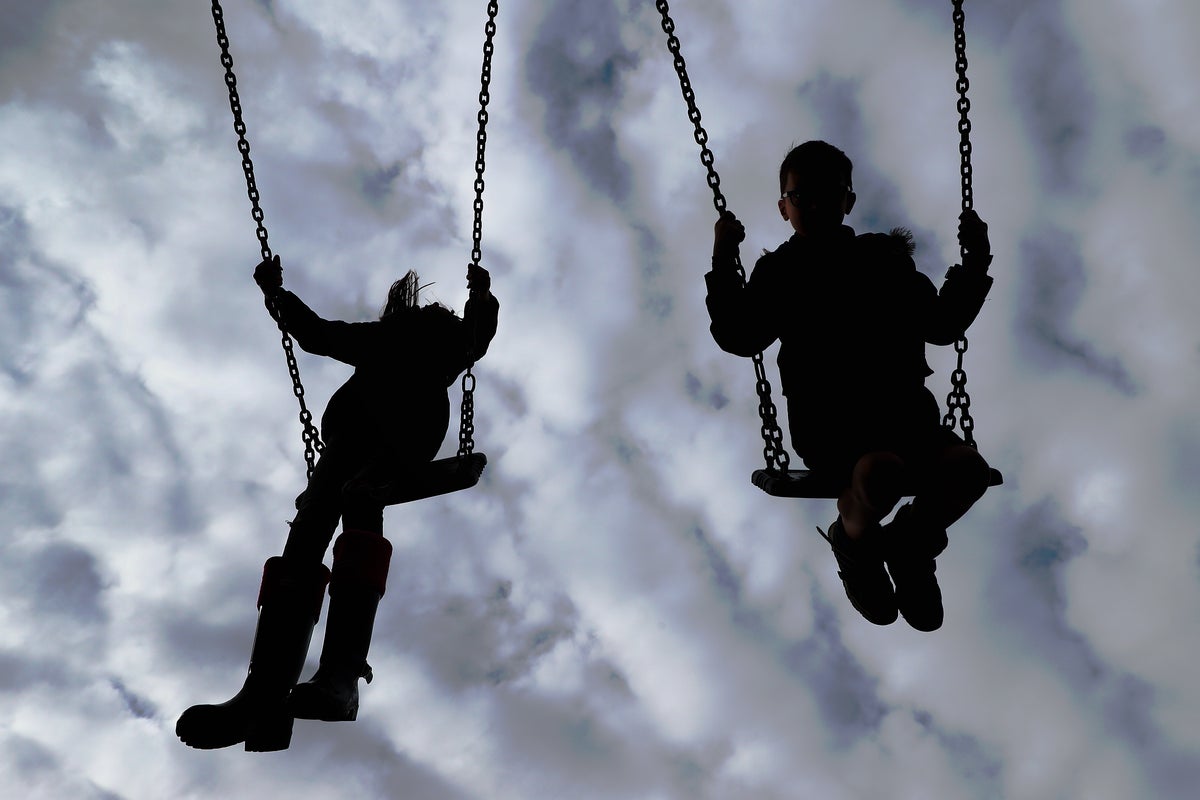
Organisations working in the sector argue that 109 children across the UK are pulled into poverty by the policy every day.
The number of children living in poor households has been steadily increasing over the past decade, with 4.5 million children – around one in three – now living in poverty.
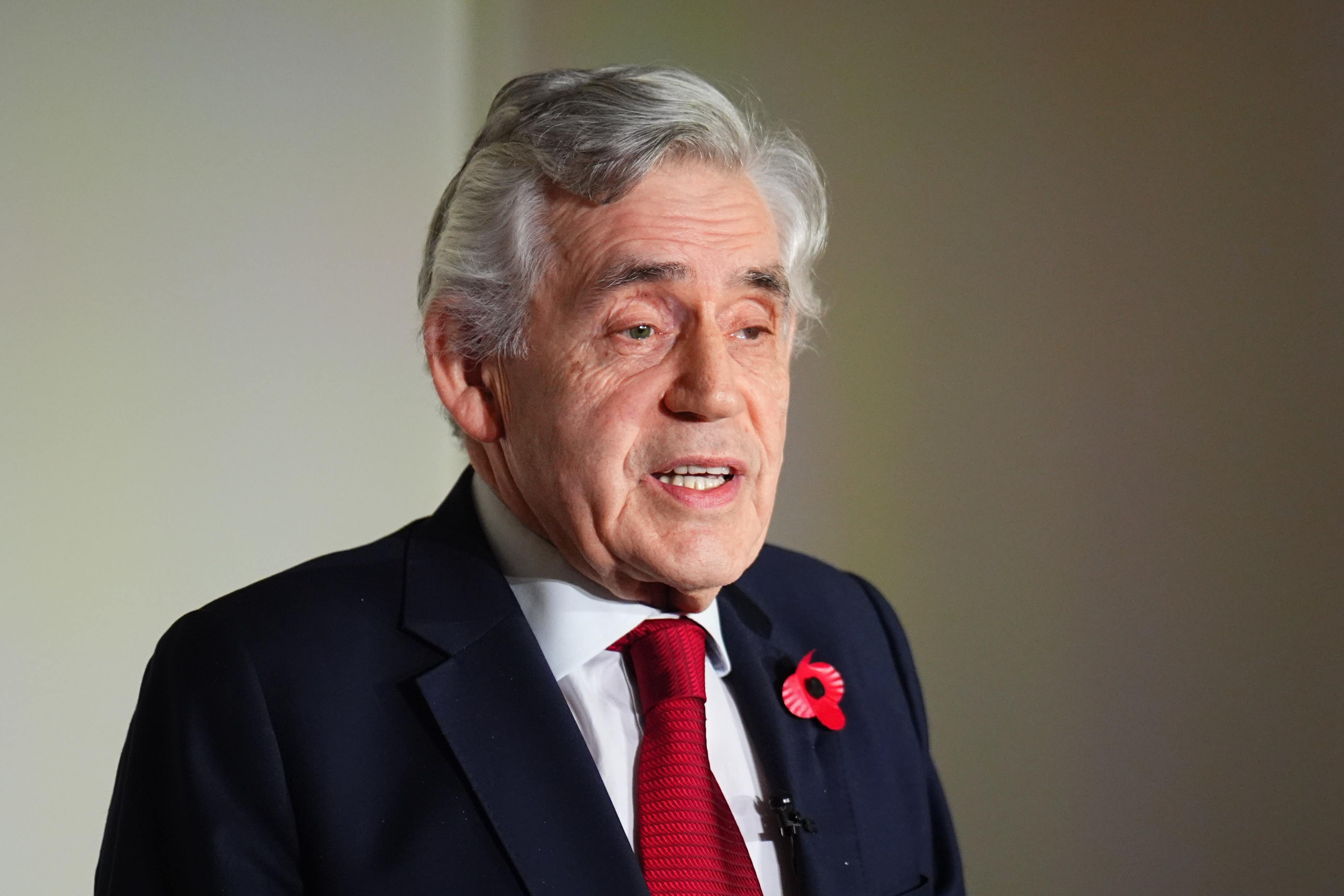 open image in galleryFormer prime minister Gordon Brown recently called for the ‘total abolition’ of the two-child benefit cap (PA Wire)
Poverty can be defined in several ways, but the Department for Work and Pensions (DWP) uses “relative low income” as a marker, referring to people in households which earn below 60 per cent of the median income of £36,700 in 2024, or £22,020.
Some of these children are going without essentials, according to the Joseph Rowntree Foundation, such as food, heating, clothing or basic toiletries.
More about
BudgetRachel ReevesChildrenLabourDWPpovertybenefit capChild Poverty Action GroupDepartment For Work And PensionsJoin our commenting forum
Join thought-provoking conversations, follow other Independent readers and see their replies
Comments